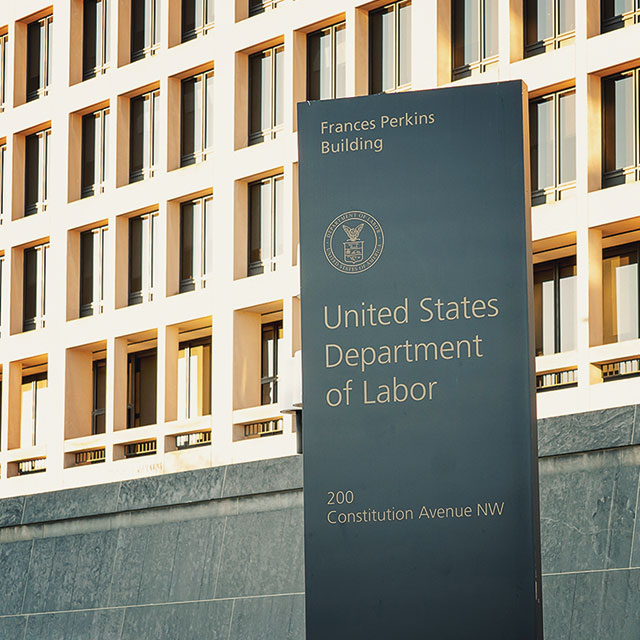
Officials at the U.S. Department of Labor should say something about employers' level-funded health plans.
Martin Swanson talked about state insurance regulators' hunger for DOL input on the level-funded plan issue recently in San Diego, at the National Association of Insurance Commissioners' spring national meeting.
Swanson is part of the NAIC's Employee Retirement Income Security Act and Alternative Health Coverage Working Group.
A working group member has drafted a paper describing what the working group thinks about level-funded plans, and now a drafting group is turning the rough draft into a formal draft.
The working group is also looking at other types of "alternative arrangements," such as farm bureau health plans, health care cost-sharing ministries and short-term health insurance policies that can stay in place for as long as three years.
The working group will likely want to get DOL officials "involved in some of these conversations about alternative arrangements, especially level-funded plans, to better understand the insurance regulator's role and what the DOL might be doing," according to draft meeting minutes posted on the website of the working group's parent, the NAIC's Regulatory Framework Task Force.
What it means: State insurance regulators could encourage DOL officials to develop new level-funded health plan regulations or guidance documents.
Level-funded plans: A level-funded plan is a self-insured employer health plan that comes with a package of administrative services and stop-loss insurance, or insurance for health plans.
A level-funded plan is supposed to look like a cross between a fully insured group health plan and a traditional self-insured health plan.
The design is supposed to help stabilize the sponsor's monthly health care spending.
Many benefits advisors present the hybrid plan design as an alternative for small and midsize employers that are overwhelmed by skyrocketing group health prices and are thinking about dropping health coverage altogether.
KFF reported in 2023 that 38% of the workers in health plans at employers with fewer than 200 workers were in level-funded plans.
Level-funded plan concerns: In recent years, reports have surfaced of some employers finding that level-funded plan costs have been higher and less predictable than they had expected.
The National Association of Benefits and Insurance Professionals has asked state regulators to help address some employers' confusion about level-funded plans by setting standards for how marketers communicate about the plans.
Regulators could help by setting standard definitions for common level-funded plan terms, such as "administrative" and "stop-loss," according to NABIP.
© Arc, All Rights Reserved. Request academic re-use from www.copyright.com. All other uses, submit a request to TMSalesOperations@arc-network.com. For more information visit Asset & Logo Licensing.