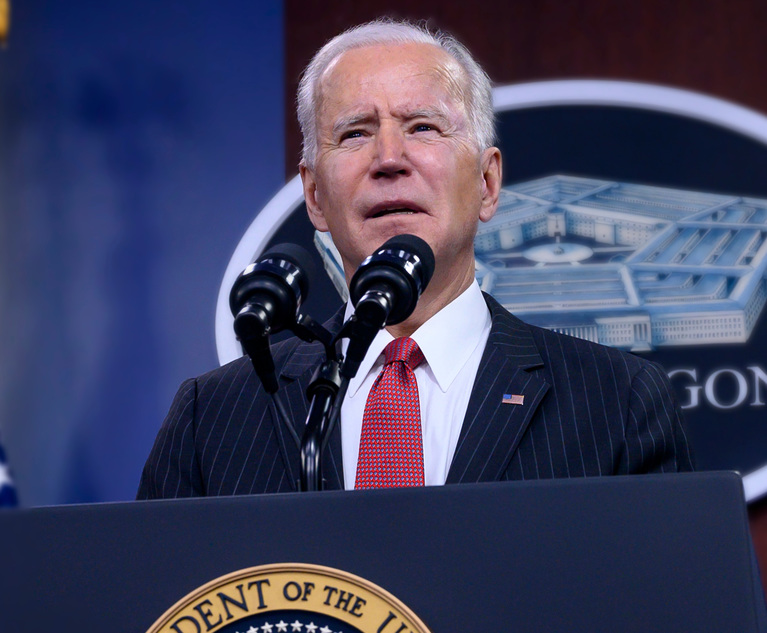
The Biden administration on Friday proposed several new initiatives aimed at reducing health-care costs, including a crackdown on so-called scam insurance plans, new guidance to prevent surprise medical bills and an effort to reduce medical debt tied to credit cards.
The administration plans to limit what it calls "junk" insurance plans, such as short-term policies that can deny basic coverage as people transition between jobs and need temporary coverage. It cited the case of a Montana man who received a $43,000 health-care bill because his insurer said his cancer was a preexisting condition.
"That's not real insurance — that's junk insurance," said Neera Tanden, director of the White House Domestic Policy Council. "We will propose a rule to crack down on these plans."
Proposed new rules would close loopholes that allow companies to offer misleading insurance products that can discriminate based on preexisting conditions and trick consumers into buying products that provide little or no coverage when they need it most. The administration emphasized that "short-term" plans must truly be short-term. Under the new rules, if finalized, plans that claim to be short-term health insurance would be limited to three months (or a maximum of four months if extended) instead of the three years that plans currently can offer.
The president also announced new guidance on medical billing stemming from the 2020 No Surprises Act. The guidance would limit the ability of insurers that contract with hospitals to claim provided care was not in network and require customers to pay more money. Health plans also would need to disclose facility fees that increasingly are charged to patients and can surface as an unexpected cost in a medical bill.
The Consumer Financial Protection Bureau and Treasury Department also are seeking information on third-party credit cards and loans that specifically are used to pay for health care.
Related: Biden's drug price reform rollout: What to expect in 2023 and 2024
The higher costs and interest charges can discourage people needing treatment from seeking care. The president also is expected to highlight previous efforts to reduce health-care costs, including a plan allowing Medicare to negotiate lower prices for prescription drugs and a $35 monthly price cap on insulin for people in Medicare Part B.
Biden recently has emphasized his policies to help families manage their expenses as he looks ahead to his 2024 reelection bid. Republican lawmakers have criticized Biden's policies by saying they have spurred higher prices that hurt the well-being of families.
© Arc, All Rights Reserved. Request academic re-use from www.copyright.com. All other uses, submit a request to TMSalesOperations@arc-network.com. For more information visit Asset & Logo Licensing.