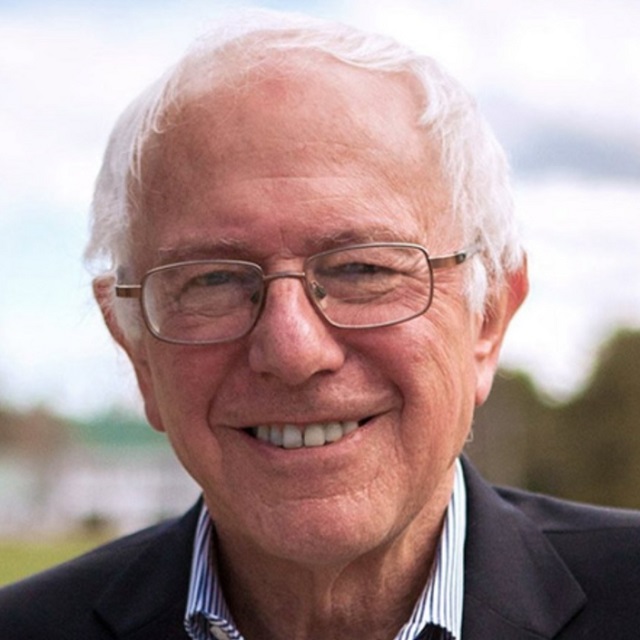
 Sen. Bernie Sanders, an independent from Vermont. Credit: Sanders
A federal judge in Washington has dismissed a suit filed by Ralph de la Torre, the former chief executive officer of Steward Health Care, against members of the Senate Health, Education, Labor and Pensions Committee.
De la Torre used private equity backing to build a company that owned 31 hospitals and was believed to be the biggest privately held hospital company in the United States.
But the company filed for bankruptcy in May 2024, after the impact of the COVID-19 pandemic, federal government reimbursement rule changes and Steward's strategy choices led to severe financial problems.
Sen. Bernie Sanders, the chairman of the Senate HELP Committee, and other Senate HELP members issued a subpoena calling for de la Torre to appear at a hearing.
De la Torre declined to appear, citing his right under the Fifth Amendment of the U.S. Constitution not to participate in activities that could lead to self-incrimination.
Members of the Senate HELP Committee voted 20-0 to hold de la Torre in contempt for not appearing at a hearing. All Democrats and all Republicans on the committee who participated approved the civil contempt resolution.
In a suit filed in July, de la Torre accused the senators on the committee of engaging in a campaign to scapegoat and humiliate him for the problems hurting U.S. hospitals and for his efforts to use his constitutional rights.
Related: Bankrupt hospital chain sues former CEO over $81.5M dividend
U.S. District Judge Trevor McFadden sided with the current and former members of the Senate HELP Committee, concluding that they had absolute immunity from lawsuits related to the committee's activities.
That immunity both provides "a defense on the merits" and "protects a legislator from the burden of defending himself," the judge wrote in an opinion explaining his ruling.
In addition to dismissing the suit, the judge dismissed de la Torre's motion for "discovery,' or an effort to get more information about the Senate HELP Committee's activities regarding his situation.
Representatives for de la Torre and the Senate HELP Committee were not immediately available to comment on the ruling.
What it means: De la Torre's discovery process could have turned up interesting information about the impact of federal policy moves on U.S. hospitals' finances. For employers and benefits professionals, one impact of the McFadden ruling could be a loss of a chance to learn more about how hospitals really work.
© Arc, All Rights Reserved. Request academic re-use from www.copyright.com. All other uses, submit a request to TMSalesOperations@arc-network.com. For more information visit Asset & Logo Licensing.