Many employees across the U.S. remain highly vulnerable to financial shocks—particularly those tied to unexpected medical expenses—according to Section 3 of a new report from Aflac.
While financial fragility continues to be a persistent issue in the workplace, the study revealed a significant disconnect: Many employers believe their workers are financially stable, despite evidence to the contrary.
On average, employees said they would need to earn nearly $70,000 more per year to feel financially secure. Even high-income earners aren’t exempt—those already earning more reported needing an additional $87,000 annually to feel secure. This points to a universal sense of financial stress across income levels, the survey found.
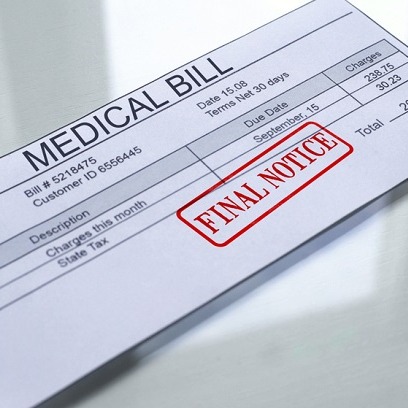
Health care coverage and out-of-pocket expenses are major stressors for workers. According to the survey, 44% of employees said they couldn’t cover a $1,000 unexpected medical bill, and 19% said even a $500 medical expense not covered by insurance would be unaffordable. Despite these concerns, over three-quarters of employers believe their employees are financially capable of handling medical costs, highlighting a stark perception gap.
Younger workers, especially Gen Z, are the most anxious about non-covered medical expenses. Nearly two-thirds of Gen Z employees reported high levels of anxiety about health care costs, compared to about half of millennials and Gen X, and 47% of baby boomers. While older generations report less stress, the study notes that anxiety is rising among baby boomers as well.
There has been some improvement in financial resilience among Gen Z. In 2021, nearly three-quarters of Gen Z workers said they couldn’t afford a $1,000 out-of-pocket medical expense. In 2025, that number dropped to 51%.
“While encouraging, this still means that half of all Gen Z employees remain exposed to financial hardship from a single medical event,” the report noted. “Employers should treat this as a call to action—not a reason to ease up. Younger employees need tools that help them plan, save, and feel secure—not just today, but for years to come.”
A persistent knowledge gap around health care benefits continues to affect employee confidence. While three-quarters of employers believe their workers understand their health plans, only about half of employees agree.
Meanwhile, confidence in health care coverage is also slipping. In 2024, 64% of employees said they felt well-covered in case of serious illness, but by 2025, that number dropped to 58%.
According to Aflac, supplemental coverage plays a critical role in boosting confidence. Over half (54%) of employees consider supplemental benefits a core component of a comprehensive benefits package, and 90% believe the need for supplemental insurance is growing. Most employees with supplemental insurance said they would recommend it to friends or family, and 89% said their supplemental benefits contribute to their financial security.
However, only 34% of employers say they currently offer supplemental insurance options—further evidence of the employer-employee disconnect.
Hispanic and African American workers are more likely to take advantage of voluntary offerings such as telemedicine, employee assistance programs and supplemental benefits for hospitalization, accidents, disability, and cancer. These offerings are often crucial for bridging health care and financial gaps in underserved communities, the report said.
© Arc, All Rights Reserved. Request academic re-use from www.copyright.com. All other uses, submit a request to TMSalesOperations@arc-network.com. For more information visit Asset & Logo Licensing.