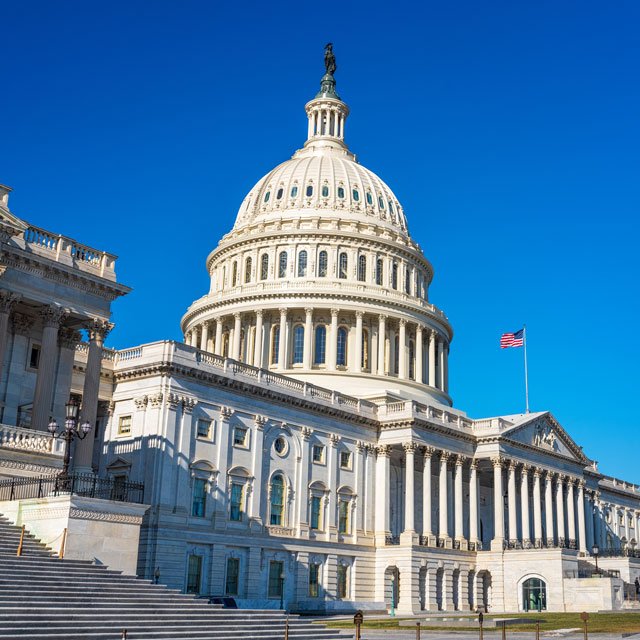
Congress was busy with several streams of work Wednesday that could, possibly, create openings for pharmacy benefit manager proposals or health benefits account proposals to slip in.
- House Democrats were trying to use an unusual mechanism called a "discharge petition" to force House members to vote on Affordable Care Act health insurance premium subsidy levels. High, temporary subsidy levels were in effect in 2025. The House discharge petition could keep the 2025 subsidy levels in place for three more years. (After the original publication time for this article, bill supporters succeeded at passing a discharge motion by a 221-205 vote and getting a resolution calling for consideration of the subsidy bill onto the House floor.)
- U.S. House Republicans were trying to create one or more funding "minibus" packages that would keep the U.S. Labor Department and the U.S. Department of Health and Human Services open past Jan. 30, when the current funding legislation is set to expire.
- A bipartisan Senate group led by Sen. Bernie Moreno, R-Ohio, said it was close to creating a proposal that would keep a high level of ACA premium subsidies in place for two more years.
Meanwhile, over in the House, the House Energy and Commerce Committee was preparing to hold a hearing Thursday on 10 Medicare bills that look as if they could get bipartisan support.
House member math: The flurry of legislative activity came as the Republicans were contending with a shrinking majority in the House.
House Republicans have only a narrow majority in the House.
Rep. Marjorie Taylor Greene, R-Ga., is giving up her seat.
Rep. Doug LaMalfa, R-Calif., has died.
Rep. Jim Bair, R-Ind., and his wife were seriously injured in a car crash and are in the hospital.
The changes in the House mean that the Republicans now have 218 votes in the House and Democrats have 213 votes.
If all Democrats in the House vote together, Republicans must persuade at least 216 of their members to vote the other way to win.
That means that any Republicans who dislike a provision in a bill may have an unusually high level of power to change it or push it out, and Republicans may be in a good position to ask House leaders to add provisions that face no serious opposition from other Republicans.
Health benefits proposals in the wings: Most of the health coverage proposals that look as if they could slip into an appropriations bill or an ACA premium subsidy package appear to be Medicare provisions.
The House Energy and Commerce Committee, for example, will be debating a measure. Thursday that could prohibit health insurers from using artificial intelligence systems to deny Medicare plan claims.
But some of the same Republicans who have expressed support for keeping ACA premium subsidy levels high are strong supporters of efforts to impose new reporting provisions and discount-sharing rules on the pharmacy benefit managers that work with employers' health plans.
Many other Republicans have been strong supporters of efforts to update the legislative framework for individual coverage health reimbursement arrangements.
© Arc, All Rights Reserved. Request academic re-use from www.copyright.com. All other uses, submit a request to TMSalesOperations@arc-network.com. For more information visit Asset & Logo Licensing.