 Credit: Adobe Stock
A key federal benefits agency, the Employee Benefits Security Administration, wants to make sure that health plan participants can really get mental health care and addiction treatment.
EBSA also wants to protect the health plan participants against "surprise bills," or big bills, based on out-of-network provider prices, for care that should have been covered on an in-network basis, based on the rules in the federal No Surprises Act.
The agency may be less interested than it used to be in cases involving how pharmacy benefit managers, third-party administrators and other health plan service providers report their fees to employers.
Officials working in EBSA under President Donald Trump revealed their current thinking about enforcement Thursday in an update of a website that describes national enforcement priorities and national enforcement projects.
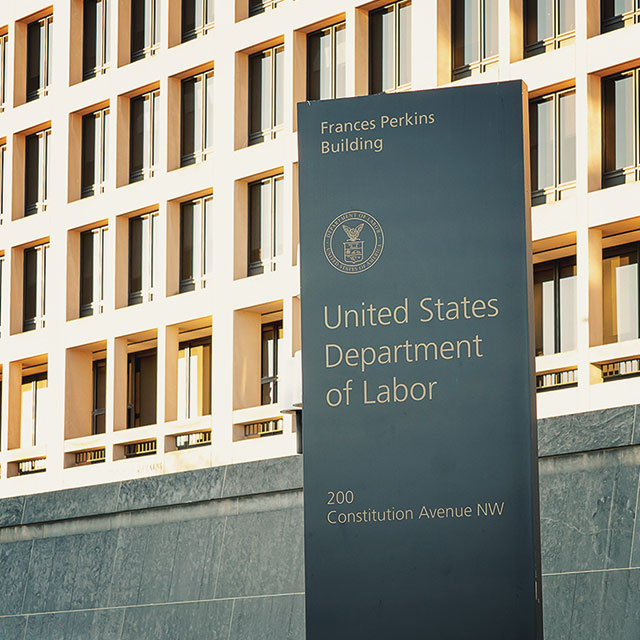
EBSA is part of the U.S. Labor Department.
What it means: Trump administration investigators could be tougher on employer plans that hinder participants' access to behavioral health care or expose them to surprise bills than Biden administration investigators were.
The thinking: Deputy Secretary of Labor Keith Sonderling said in a comment about the update that the new list reflects the areas that seem likely to produce the best results.
EBSA investigations will "prioritize serious misconduct rather than minor foot faults," Sonderling said.
Daniel Aronowitz, the assistant Labor secretary in charge of EBSA, said EBSA wants to conduct investigations in a fair and timely manner.
"We urge plans and service providers under review to respond promptly to our requests for information and findings, which will aid us in resolving issues efficiently and effectively," Aronowitz said.
Enforcement update details: A comparison of the new version and a version saved by Archive.org in April 2024, which was prepared by officials working for former President Joe Biden, shows that the new version includes a more detailed behavioral section and a new surprise billing section.
Officials have also added a cybersecurity section to the enforcement project list.
Trump administration officials cut out a section on "service provider self-dealing" that warned against PBMs and TPAs charging hidden or excessive fees.
The Mental Health Parity and Addiction Equity Act of 2008 and the 21st Cures Act of 2016 require employer plans that cover mental health services or addiction treatment to provide "parity," or make "quantitative limits," such as the value of the benefits provided, and "non-quantitative treatment limits," such as the requirements for patients who want coverage for in-patient care, comparable for behavioral care and other types of care.
In the 2024 EBSA enforcement projects section on mental health parity, EBSA described its priorities this way:
"Through its enforcement efforts, EBSA will also focus on evaluating treatment limitations that are imposed on benefits to treat opioid addiction and other substance use disorders. There is also focus on when improper limitations may be imposed on mental health and substance use disorder benefits through noncompliant cost sharing, benefit limitations, or through administrative practices that enforce neutral plan terms such as medical necessity requirements more stringently when applied to mental health and substance abuse disorders."
In the new update's section on mental health and substance use disorder benefits, officials say:
"This project focuses on targeting the most serious violations by plans and service providers that block participants and beneficiaries from accessing their promised mental health and substance use disorder benefits. These violations cause serious harm to participants and beneficiaries, including vulnerable groups like children and teens.
"As part of this project, EBSA will ensure that plans and service providers meet their legal obligations to provide these important benefits and remove barriers to accessing care such as burdensome claims processes, unjustified treatment exclusions, inaccurate provider lists, and unreasonable limits on care."
The new description appears to put more emphasis on provider directory accuracy and claim processes.
© Arc, All Rights Reserved. Request academic re-use from www.copyright.com. All other uses, submit a request to TMSalesOperations@arc-network.com. For more information visit Asset & Logo Licensing.