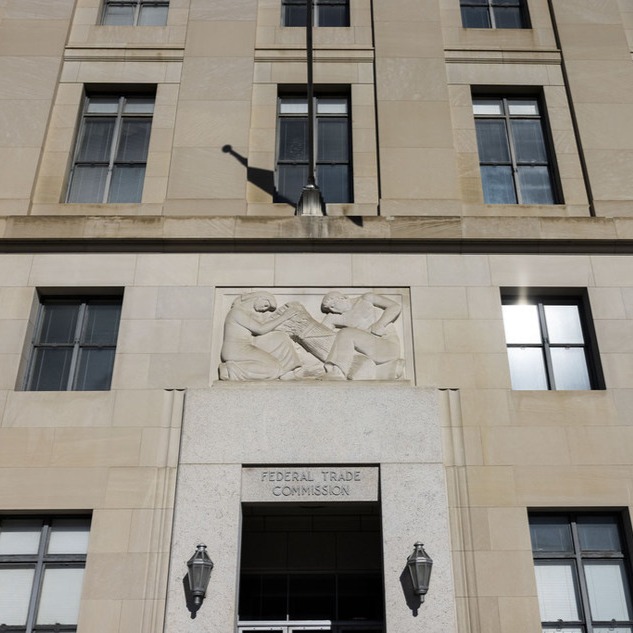
The Federal Trade Commission and Optum Rx have jointly asked to again extend a pause in the agency's antitrust case, continuing a series of procedural delays that could signal ongoing settlement discussions.
The case, filed in September 2024, targets Optum Rx and affiliated entities in a Part 3 administrative proceeding — the FTC's in-house trial process before an administrative law judge. In its complaint, the FTC alleges that Optum Rx, one of the largest pharmacy benefit managers in the country, engaged in conduct that harmed competition by leveraging its position between drug manufacturers, insurers and pharmacies.
The agency alleges that major PBMs can influence drug pricing and market access through formulary design, preferred pharmacy arrangements, and rebate and contracting structures that may disadvantage independent pharmacies and affect overall prescription drug costs.
Since early 2026, the case has been repeatedly slowed by a series of stays. In the first quarter of the year, the FTC and respondents agreed to pause litigation deadlines as settlement discussions continued, delaying discovery and motion practice. Some delays during this period also coincided with disruptions tied to federal funding lapses and resulting agency operational constraints.
The latest motion, filed April 13, asks the commission to extend the existing stay once more. If granted, the extension would again delay key procedural milestones in a case that is otherwise scheduled to move toward a September 2026 administrative trial.
The case is unfolding amid broader federal and state scrutiny of pharmacy benefit managers, which have faced increasing attention from policymakers over their role in prescription drug pricing and rebate structures. In April 2025, President Trump signed a broad executive order on drug pricing that included directives for federal agencies to increase scrutiny of PBMs and improve transparency around their compensation and role in prescription drug pricing.
Meanwhile, Congress has advanced legislation aimed at reshaping PBM compensation and rebate incentives in federal programs such as Medicare Part D. At the state level, a growing number of legislatures have also enacted or advanced measures aimed at increasing oversight of PBMs, including restrictions on pricing practices, expanded transparency requirements and limits on certain contracting and network arrangements.
© Arc, All Rights Reserved. Request academic re-use from www.copyright.com. All other uses, submit a request to TMSalesOperations@arc-network.com. For more information visit Asset & Logo Licensing.