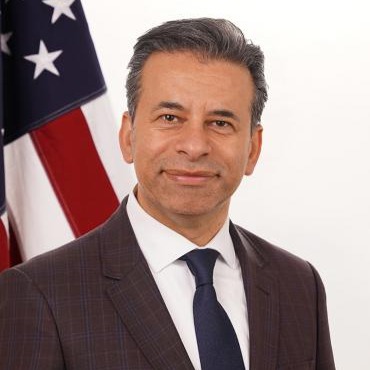
 Martin A Makary M.D., M.P.H.
Marty Makary is stepping down as commissioner of the Food and Drug Administration after a 13-month tenure marked by disputes over regulatory direction, drug approvals, and the agency's broader modernization agenda.
Multiple reports said Makary's resignation followed mounting pressure from conservative activists, pharmaceutical executives and White House allies frustrated by perceived inconsistency in regulatory decision-making.
President Donald Trump confirmed the departure Tuesday and said Kyle Diamantas, currently the FDA's top food official and a close ally of the administration, will serve as acting commissioner while a permanent replacement is selected.
Makary, a surgeon and former Johns Hopkins University professor, entered the role promising to modernize the FDA and accelerate approvals through AI-assisted reviews and streamlined processes. During his tenure, the agency advanced initiatives tied to faster drug reviews, food dye restrictions and alternative testing methods.
But his leadership became increasingly defined by debate over the FDA's approach to drug approvals and regulatory consistency, particularly as the agency balanced pressure to accelerate innovation with maintaining traditional evidentiary standards.
Several policy flashpoints also drew political scrutiny. One involved flavored vaping products, where Makary initially resisted approvals over youth concerns before later reversing course after pressure from administration allies and industry groups. He also faced criticism from anti-abortion organizations and conservative lawmakers over the FDA's handling of mifepristone and broader reproductive health policy.
Makary's tenure also coincided with reported internal turnover and staff departures within the agency's drug division amid broader political pressure on regulatory decisions. The leadership change adds further uncertainty for employers, insurers, pharmaceutical companies and benefits providers already navigating shifting federal health policy priorities under Health and Human Services Secretary Robert F. Kennedy Jr.
Reactions from health care and benefits professionals on LinkedIn following Makary's resignation centered on drug pricing, regulatory direction and implications for innovation pipelines.
Benefits-focused commentary emphasized concerns over pharmaceutical costs and the role of FDA leadership in shaping broader system pressures.
Kathy Kwasniak, an employee benefits specialist and Health Rosetta advisor, described the news as "sickening," pointing to Makary's approach to challenging entrenched health care interests and linking the FDA's direction to ongoing concerns about pharmacy costs in employer health plans.
In the emerging therapy space, Sherry Rais, CEO of Enthea, highlighted regulatory momentum around novel treatments and said that structural policy drivers, including existing federal initiatives, may continue despite leadership changes.
From a pharma and health care strategy perspective, Richard Meyer, a health care market and marketing analyst, said leadership transitions often increase regulatory uncertainty and can lead companies to adopt more cautious approaches to drug development and commercialization planning.
© Arc, All Rights Reserved. Request academic re-use from www.copyright.com. All other uses, submit a request to TMSalesOperations@arc-network.com. For more information visit Asset & Logo Licensing.