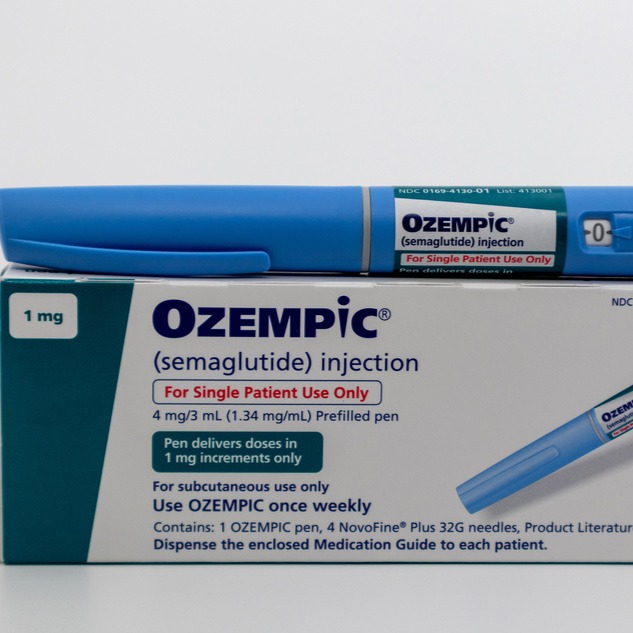
GLP-1 medications prescribed for obesity could generate nearly $193,000 in lifetime economic and health value per patient while delivering outsized benefits to populations that have historically faced greater barriers to weight management, according to a new working paper from the National Bureau of Economic Research.
Researchers from the University of Southern California used a nationally representative microsimulation model to estimate the lifetime health and economic impact of GLP-1 treatment among clinically eligible adults. The study found that adults ages 40 to 50 who receive treatment gain an average lifetime net social value of $192,735 through a combination of improved health outcomes, lower disability and reduced healthcare spending.
The analysis also projected meaningful clinical benefits. GLP-1 treatment increased life expectancy by an average of 1.38 years, reduced the likelihood of developing diabetes by 15 percentage points and lowered lifetime medical spending by roughly $12,120 per person.
But the study's most notable finding may be how those benefits are distributed.
Researchers found that individuals without a high school diploma experienced approximately 14% greater gains in lifetime social value than the average participant and 20% larger increases in life expectancy. By contrast, individuals with college degrees experienced gains that were 15% to 27% below the cohort average across several measures.
The pattern extended across racial and ethnic groups as well. Black and Hispanic individuals generally experienced larger improvements in health outcomes, life expectancy and reductions in diabetes risk than White individuals. Women also saw greater overall benefits than men.
"The largest gains arise among populations facing greater socioeconomic constraints in sustaining behavioral weight control," the researchers wrote.
The authors suggest that GLP-1 medications may help reduce longstanding health disparities because they lessen the reliance on intensive behavioral interventions such as strict dieting, exercise regimens and long-term weight management strategies.
"GLP-1 innovation may therefore mitigate inequality in obesity-related disease and survival, advancing equity in population health," the paper concluded.
The study also found that earlier intervention produced significantly larger returns. Adults who began treatment between ages 25 and 30 generated an estimated $270,800 in lifetime net social value, compared with $192,735 among those who started between ages 40 and 50.
The findings arrive as employers continue to debate whether to cover GLP-1 medications for weight loss. While evidence supporting the drugs' clinical effectiveness continues to grow, coverage remains limited because of concerns over cost. The researchers noted that their analysis did not incorporate drug pricing and assumed continuous lifetime treatment, meaning actual real-world results could vary based on adherence, access and insurance coverage.
© Arc, All Rights Reserved. Request academic re-use from www.copyright.com. All other uses, submit a request to TMSalesOperations@arc-network.com. For more information visit Asset & Logo Licensing.