 (Photo: Shutterstock)
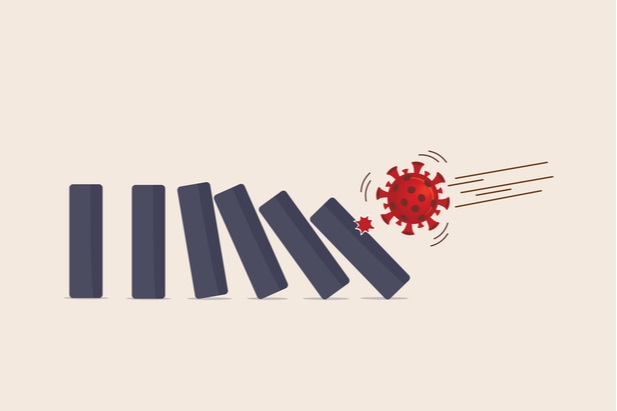
At the end of 2022, health officials were warning of a kind of perfect storm of infectious disease: rising cases of flu, COVID-19 and respiratory syncytial virus (RSV). Terms like "triple threat" and "tripledemic" were common, and with many American gathering for the holidays, health providers were bracing for the worst.
To some extent, the tripledemic has not been as bad as expected. Although still a serious problem in many ways, rates of infection and hospitalization were not as crippling as, for example, past waves of COVID variants have been. And although holiday gatherings no doubt contributed to some spread of disease, a spokesperson from the Centers for Disease Control and Prevention reported that rates of RSV and the flu were receding as of early January.
And although COVID numbers showed more of an increase in December, those numbers were also dropping in early 2023. "Most metrics are heading downward at the national level, following a period of growth just after the holidays," the New York Times' COVID-tracking page reported on Jan. 24. Still, the ability of the latest variants to overcome immunity provided by vaccines and previous infections are worrying to public health officials.
A less-contagious workplace?
The data points may indicate that to some extent, Americans are taking infectious disease more seriously. In the case of workplace health and wellness, it remains to be seen whether this is a permanent trend. But according to an article at the Contagion website, the COVID pandemic has led to significant change.
"The COVID-19 pandemic has permanently changed how we view employee health and safety. Employee stress and burnout of health care personnel became a hot topic, and there was increased focus on the physical and mental wellbeing of health care personnel," says the article, written by Geena Kludjian and Alexandra Hanretty. "The pandemic expanded the role of occupational health services within an institution from traditionally being focused on managing workplace injuries and disease prevention to an extended focus on infection prevention. It also highlighted gaps and weaknesses in employee safety and the importance of having an organizational model that can respond quickly to future public health challenges and having policies and practices in place."
But risks remain, and the remaining winter months will keep people indoors and at higher exposure to respiratory illnesses. According to Wayne Rawlins, vice president and chief medical officer at WellSpark Health, Americans should remember that flu and RSV are still out there, as well as COVID. "Because our immune systems were not exposed to viruses like the flu and the common cold during the pandemic due to the precautions we were taking, our immune systems were not toughened by seasonal exposure to these viruses," he says. "Taking a few extra precautions this winter could help you avoid getting sick and help keep you and those you care about healthy."
Rawlins recommended a number of steps for the workplace. These measures are familiar — covering coughs, avoiding crowds when possible, washing hands frequently, and social distancing — all the standard practices of the COVID era are still helpful in reducing risk. Employees who have symptoms should stay home, and high-quality masks are still recommended in crowded indoor spaces. Vaccines for flu and COVID, including boosters, are strongly recommended. Since there is no vaccine for RSV, parents should carefully monitor symptoms in children and seek medical care if a child has a non-responsive fever or trouble breathing.
The rise of the Kraken
New variants of COVID are very likely to appear in coming months, and the latest XBB variant had many concerned due to its ability to overcome protection from COVID vaccines and previous infection.
Dubbed "Kraken" by some infectious disease specialists, the newest variant, along with higher rates of flu and RVS cases, threatened to overwhelm hospitals and health care providers. And although the caseload remains lower this winter than the crushing numbers of the first two years of the pandemic, COVID hospitalizations did rise in recent months.
In an article in the Washington Post, White House COVID-19 response coordinator Ashish Jha warned that the U.S. health system could be strained to its limits if waves of disease continue to erode the existing system.
The article quoted James Jarvis, a senior executive at Bangor-based Northern Light Health as saying that in previous years, hospital systems had always had some flexibility and had been able to manage shortages of beds. "But that flexibility is now gone," he says. "There is no wiggle room or expansion room that we would have for anything in reserve."
"The big unknown now is what will happen as the health care system feels the effects of the winter chill keeping more people indoors," the article says.
According to the Fisher Phillips website, some workplaces may have been lulled into a false sense of security, which could be shattered by new variants such as the XBB COVID strain. The article notes that OSHA is also intent on enforcing workplace standards to reduce transmission of COVID.
"It is clear that COVID-19 is not going away – and neither is OSHA," the article says. "Though most of our day-to-day lives more resemble pre-pandemic times than those dark restrictive and isolated days, employers should not grow complacent when it comes to the oversight of their workplaces."
© Arc, All Rights Reserved. Request academic re-use from www.copyright.com. All other uses, submit a request to TMSalesOperations@arc-network.com. For more information visit Asset & Logo Licensing.