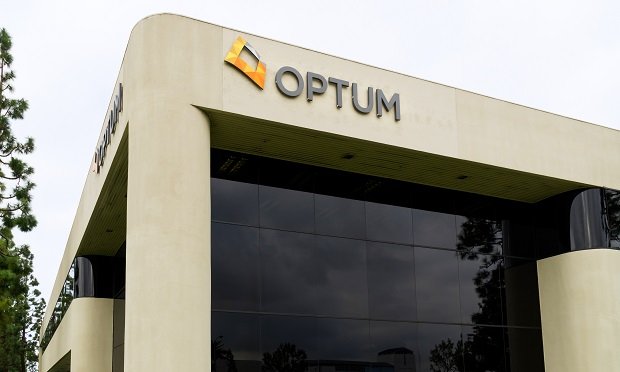
 The Costa Mesa, California offices of Optum, UnitedHealth's health care delivery and health care support services unit. Credit: Shutterstock
The popularity of GLP-1 drugs for weight loss has triggered a national debate over who has access to the medications -- and who will pay the high cost. Now, Optum Rx, a pharmacy benefit manager subsidiary of UnitedHealth Group, is being sued not for denying coverage but for providing the drugs although they allegedly were not covered under a health plan.
Trustees of the International Union Operating Engineers Local 49 Health and Welfare Fund in Minneapolis filed the lawsuit in the U.S. District Court of Minnesota last week, the Minneapolis Star-Tribune reported. The lawsuit alleged that the PBM paid more than $4 million for uncovered prescriptions, which depleted union funds. The union represents 15,000 construction industry workers in Minnesota and the Dakotas.
The lawsuit said the union’s health plan allowed coverage of Xenical to treat obesity but not newer products such as Wegovy or Zepbound. Nevertheless, since 2018, Optum Rx charged the union health plan $4,381,075 for 3,732 claims for uncovered weight-loss drugs, the plaintiffs alleged.
“Optum Rx received no compensation when it denied claims,” the lawsuit said. “It was in Optum Rx’s interest to approve claims, rather than deny them, as each approved claim increased Optum Rx’s compensation and each denied claim was uncompensated work and a lost opportunity for profit.”
As the plan’s PBM, Optum Rx decided which claims were payable and paid them out of its own pocket before billing the union health plan, the lawsuit said.
“Optum Rx did not disclose to the trustees the amount it paid to a pharmacy to resolve any particular claim,” it said. “For each claim OptumRx paid out of its own pocket, Optum Rx subsequently invoiced the plan a contractually prearranged amount (which varied by drug).”
The trustees said they learned in 2024 that Wegovy was among the drugs for which Optum Rx had charged the union health plan the most in the previous year.
“Optum Rx’s invoices to the plan for improperly approved and paid weight-loss drug claims intermingled thousands of properly approved and paid claims with the improper claims without disclosing to the plan the difference, deceiving the plan into believing that all invoiced claims were properly approved and paid,” the lawsuit said. “By this deceit, Optum Rx caused the plan to pay Optum Rx for weight-loss drug claims.”
Optum Rx denied the allegations and said it would contest the lawsuit in court. UnitedHealth and its subsidiaries in recent years have been the subject of multiple media investigations of billing practices and patient denials, as well as a variety of federal criminal and civil investigations, including potential Medicare fraud and antitrust violations.
The trustees terminated their relationship with Optum Rx at the end of last year.
© Arc, All Rights Reserved. Request academic re-use from www.copyright.com. All other uses, submit a request to TMSalesOperations@arc-network.com. For more information visit Asset & Logo Licensing.