A leading strategic health care communications firm, Jarrard, recently released its 2025 national consumer survey which examines how U.S. adults find health information, who they trust, and what health care leaders must do to stand out in a crowded digital space.
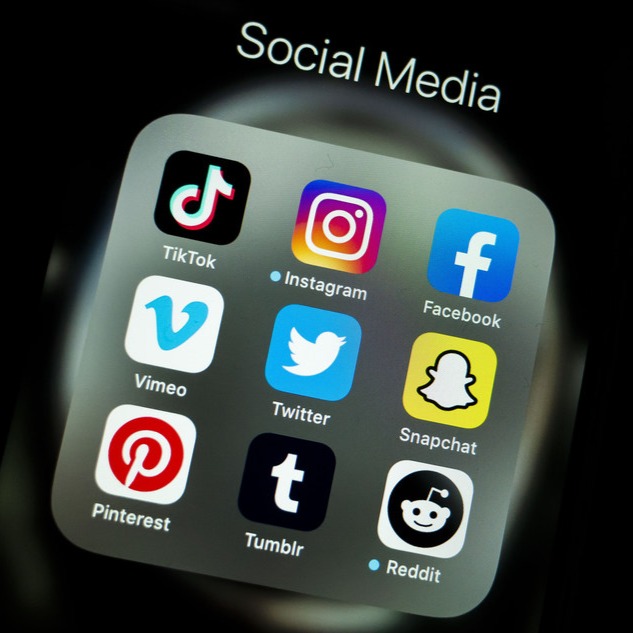
The survey revealed that although many U.S. adults are concerned about medical misinformation, their behaviors have not changed. According to the results, 70% of respondents said they are concerned about health misinformation online, yet 6 in 10 regularly get health information from social media.
“Health care leaders are facing a paradox,” said Jed Lam, senior vice president of Market Research & Insights. “People are worried about misinformation, but many still rely on the very tools most likely to spread it. At the same time, consumers are showing a surprising level of trust in non-medical influencers and emerging technologies. Leaders need to understand these dynamics if they want their organizations to stay relevant.”
The study also highlighted the prominent reliance on social media influencers – revealing that 1 in 5 Americans say they trust non-medical influencers for health information, leaving younger adults and early tech adopters especially susceptible. Additionally, nearly half of consumers report using AI tools to search for health information at least occasionally.
As the open enrollment season quickly approaches, benefits managers should consider the role that technology and social media plays in today’s health care landscape. Medical misinformation is not going away and how Americans obtain and understand their own health data is rapidly changing.
“Today, staying relevant means acknowledging that misinformation is widespread, but so is the opportunity to build on the wealth of high-quality content already available,” said Tricia Garaghty, Jarrard senior vice president and strategic positioning lead. “Health care marketers can use this data as a foundation to evaluate how and where they show up online, focusing less on combatting misinformation and more on meeting people where they are at with credible health information.”
© Arc, All Rights Reserved. Request academic re-use from www.copyright.com. All other uses, submit a request to TMSalesOperations@arc-network.com. For more information visit Asset & Logo Licensing.