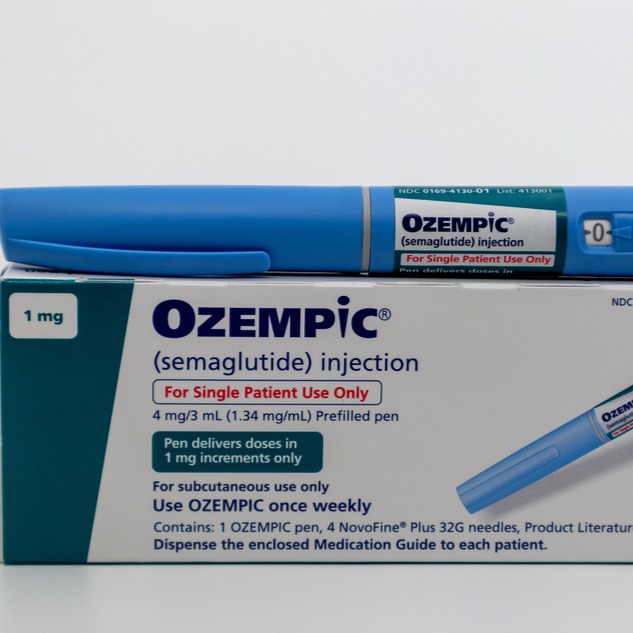
Losing weight is not the only benefit of GLP-1 drugs for the public at large. A new report published by Swiss Re Institute shows that widespread use of GLP-1 weight loss drug to treat obesity could reduce “cumulative all-cause mortality” by up to 6.4% in the U.S. and 5.1% in the U.K general populations by 2045.
The report states: “We anticipate mortality reductions in cardiovascular disease (CVD), and lower morbidity in a range of other conditions, if clinical trial results are replicated in the real world. This has significant implications for Life and Health (L&H) insurers, as GLP-1 drugs may reshape claims experience across mortality, longevity and medical insurance products.”
Swiss Re also notes that for life insurance underwriting, these findings suggest a potential reduction in major causes of claims in mortality and critical illness portfolios. The issue is that this might create financial pressure for longevity portfolios, as extended lifespans increase the duration of pension payouts. Medical insurance faces a near-term challenge from costs of coverage as the drugs are for now expensive on patent.
Not unlike many issues affecting public health, socio-economic factors play an important role in improved health. The report shows that individuals from higher socioeconomic brackets will likely have both better access to GLP-1 medications, with the ability to try alternative medications, seek support for side effects, and the means to implement lifestyle changes. Such groups may be able to improve the sustainability of weight loss through access to healthier food and physical activity initiatives. These societal segments may see higher mortality reductions.
Still, the uptake on coverage by employers for drugs like Ozempic and Wegovy is growing. A survey from the International Foundation of Employee Benefit Plans (IFEBP) last year found that employer coverage is up eight percent from the year before, with roughly one-third of employers covering GLP-1 drugs for both diabetes management and weight loss.
More than half of employers (57%) currently provide coverage for diabetes only—the original intended use for the drugs—up from 49% in 2023. Perhaps even more significant, 34% provide coverage for both diabetes and weight loss (up from 26% in 2023), according to the benefits organization.
IFEBP said the top factors that employers are taking into account for GLP-1 drug coverage for obesity care are obesity as a risk factor for chronic conditions and associated costs (76%); broker/consultant/pharmacy benefit manager recommendations (71%); and impact/effectiveness of cost-control mechanisms (62%). GLP-1 label expansion (57%), long-term costs (56%), and lack of clinical studies for long-term use of GLP-1 drugs (39%) are other top factors.
© Arc, All Rights Reserved. Request academic re-use from www.copyright.com. All other uses, submit a request to TMSalesOperations@arc-network.com. For more information visit Asset & Logo Licensing.