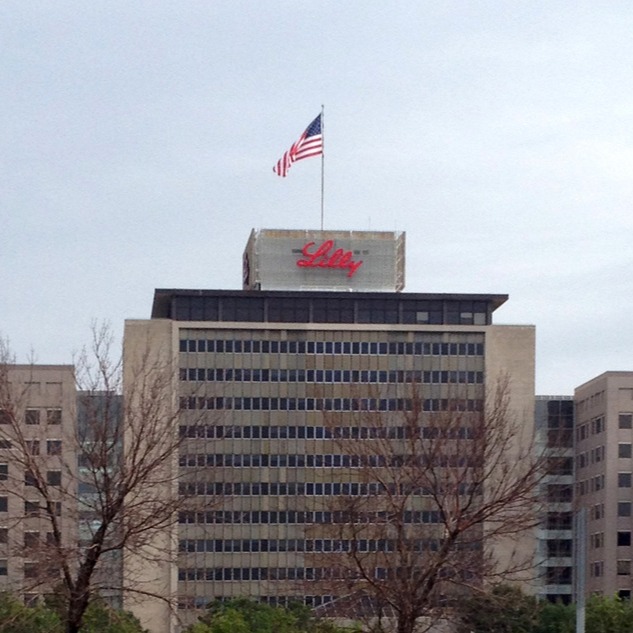
A federal judge in Delaware this week dismissed Eli Lilly and Co.’s lawsuit against compounder Strive Pharmacy. The pharmaceutical giant sued Strive and several other compounders for distributing products containing tirzepatide, the primary ingredient in Lilly's GLP-1 weight-loss and diabetes medications.
Tirzepatide, the active ingredient in Lilly's Zepbound and Mounjaro, was in short supply for two years until last December. Although the Food and Drug Administration required an end to compounding by March, pharmacies could sell stock already produced until the products either ran out or expired. Compounders also generally can make custom drugs for patients with a doctor's prescription as they do for patients with allergies to certain preservatives in medications.
Lilly said Strive’s tirzepatide products, which include additives such as vitamin B12 or glycine, are falsely marketed as safer and more effective than FDA-approved treatments. The judge disagreed. “For patients with allergies or unique needs that make FDA-approved medications unsuitable, compounded drugs are a godsend,” he wrote in his opinion.
Last month, another judge dismissed a similar lawsuit filed by Lilly lawsuit against Willow Health, a telehealth company compounding tirzepatide. Lilly also has filed lawsuits against telehealth providers such as Mochi Health, Fella Health and Henry Meds, reflecting a broader strategy to challenge compounded GLP-1s industrywide. It also sent cease-and-desist letters to around 50 other compounders and telehealth companies, demanding they halt mass compounding of these drugs and confirm their compliance.
"Anyone continuing to sell mass compounded tirzepatide is breaking the law and deceiving patients," Lilly said in a statement to NPR last spring. "We will continue to take action to stop those who threaten patient safety and urgently call on regulators and law enforcement to do the same."
Scott Brunner, CEO of the trade association Alliance for Pharmacy Compounding, welcomed the Strive decision.
“Add this to judges’ comments in Lilly’s lawsuits against Williow Health and Mochi,” he said, and you begin to get the sense that when it comes to GLP-1 compounding, courts believe compounding pharmacies are serving their patients well and are doing so within the proper legal/regulatory framework.”
© Arc, All Rights Reserved. Request academic re-use from www.copyright.com. All other uses, submit a request to TMSalesOperations@arc-network.com. For more information visit Asset & Logo Licensing.