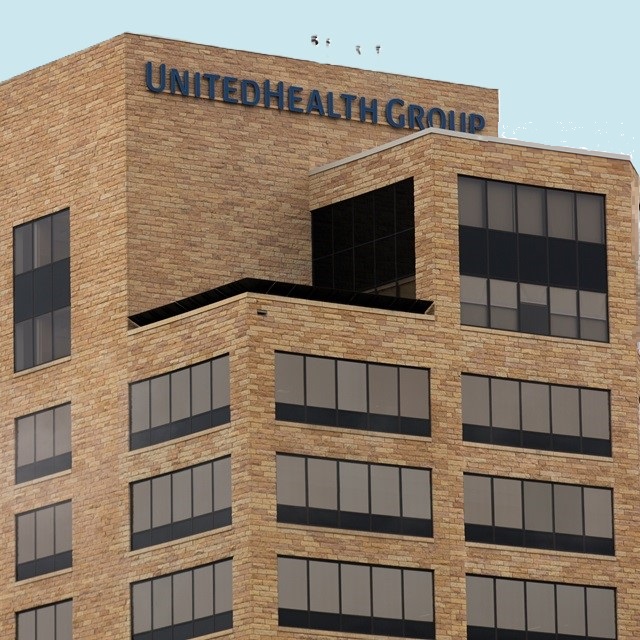
UnitedHealth Group has faced a challenging year since the shocking murder of UnitedHealth CEO Brian Thompson last December. Company share prices are down more than 35% in 2025 after suspension of its yearly forecast as medical costs soared, investigation of its Medicare Advantage business and the return of CEO Steve Hemsley to replace Andrew Witty.
Independent audits of its business practices are an important component of UnitedHealth’s strategy to stabilize the company and reassure investors. It released the first audit results on Friday, along with a commitment to track and implement improvements. The company has adopted 23 ongoing action plans to track and implement recommended improvements, all of which will be completed by the end of March 2026.
“We hope that you see these assessments as a commitment to setting a new standard of transparency for the health care marketplace, as we believe that you and every person who engages with our health system deserves to understand how we go about our work,” Hemsley wrote in a letter. “We know that our actions and decisions have significant impacts on patients, care providers and the broader health system, and we are determined to hold ourselves to the highest standard.”
One independent auditor reviewed UnitedHealth Group’s approaches to risk assessment operations within its Medicare Advantage programs and examined the company’s care services management policies, procedures and processes. It found the insurer scored better than its peers in several Medicaid and Medicare metrics but needed to improve slow decision making for authorizations, resolve documentation issues and better address regulatory audits findings.
Another auditor examined the policies and processes of the company’s pharmacy benefit manager, Optum Rx, for ensuring that prescription discounts from drug manufacturers are accurately collected and distributed to clients. Although the review found “no deficiencies or need for corrective measures,” it recommended strengthening the company’s escalation processes for resolving nonpayment and dispute cases through communication with manufacturers.
The auditors determined that the company’s policies and practices are “robust, rigorous and generally sound and, in many respects, industry leading,” Hemsley said. However, he noted that they also provided recommendations for improvements. The audits and disclosure will continue with a review of diagnosis codes in the first quarter of 2026 and a report on its processes to created evidence-based medical policy” by the middle of the year.
The results come as private insurers attempt to rebuild trust with the American public after fierce, pent-up backlash over their practices and the broader U.S. health care system. Critics say insurer business tactics have made it harder for some patients to access and pay for care.
© Arc, All Rights Reserved. Request academic re-use from www.copyright.com. All other uses, submit a request to TMSalesOperations@arc-network.com. For more information visit Asset & Logo Licensing.