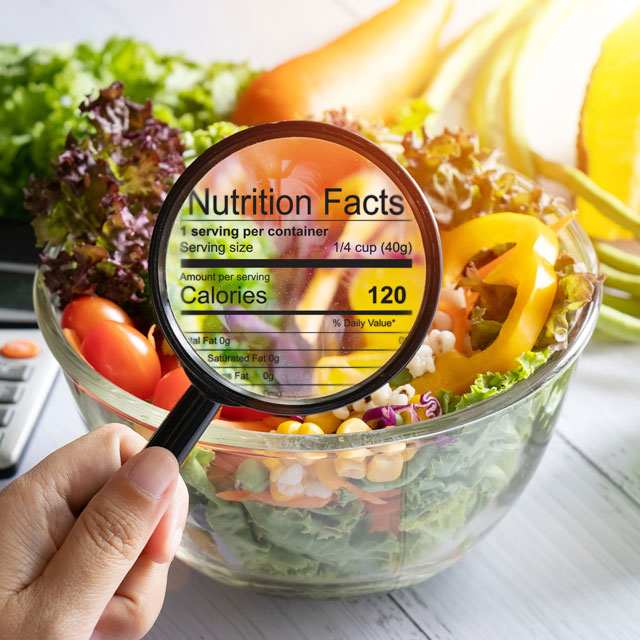
Old assumptions about grains and proteins are being rethought, with fruits, vegetables and proteins now taking center stage in the updated food pyramid introduced this week.
The Dietary Guidelines for Americans, 2025–2030, released by the U.S. Department of Health and Human Services (HHS), mark the most significant reset of federal nutrition policy in decades, according to a press release. The new guidelines aim to address a growing national health emergency, in which 90% of health care spending goes toward chronic disease — much of it linked to diet and lifestyle.
“These Guidelines return us to the basics,” HHS Secretary Robert F. Kennedy Jr. said in a statement. “American households must prioritize whole, nutrient-dense foods — protein, dairy, vegetables, fruits, healthy fats, and whole grains — and dramatically reduce highly processed foods.”
According to HHS, diet-related chronic diseases are driving nearly 90% of health care spending, yet many of these conditions are preventable or reversible. Federal programs like SNAP provide nutrition assistance to 42 million Americans, but commonly purchased items — including sugary drinks, candy, and chips — contribute to diet-related illnesses, increasing Medicaid and overall health care costs.
The United States now spends 2.5 times more per capita on health care than other developed nations, yet life expectancy is four years lower.
The updated guidance shifts emphasis toward whole, nutrient-dense foods, recommending that Americans prioritize high-quality proteins at every meal, incorporate a variety of fruits and vegetables throughout the day, and choose whole grains over refined carbohydrates. Full-fat dairy without added sugars is explicitly encouraged, and healthy fats from foods like nuts, seeds, olives, avocados, meats, seafood and eggs are highlighted over highly processed alternatives.
In a departure from past editions, the guidelines also call out the dangers of highly processed foods and urge consumers to avoid added sugars entirely, particularly for young children, while choosing water and unsweetened beverages to support hydration.
They further advise eating the amount of food appropriate for one’s age, sex, body size, and activity level, and recommend limiting alcohol consumption for better overall health. The guidelines also provide tailored recommendations for infants and children, adolescents, pregnant and lactating women, older adults, individuals with chronic disease, and vegetarians and vegans.
© Arc, All Rights Reserved. Request academic re-use from www.copyright.com. All other uses, submit a request to TMSalesOperations@arc-network.com. For more information visit Asset & Logo Licensing.