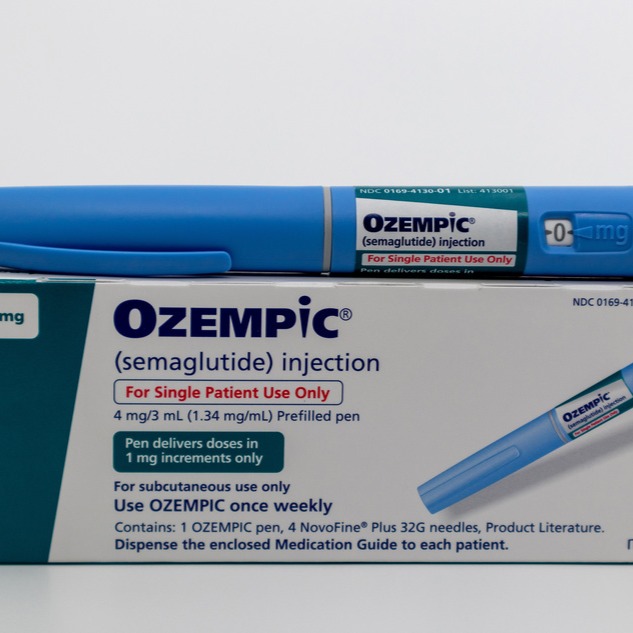
Sustained adherence to GLP‑1 therapies can significantly reduce medical cost growth over the long term for employers and improve workforce health outcomes, a multiyear study of U.S. health claims data by Aon found.
Notably, female GLP-1 users experienced a 47% reduction in hospitalizations for major cardiovascular events; approximately 50% lower incidence of ovarian cancer; and a 14% lower incidence of breast cancer compared to female non-users. These findings highlight the potential of GLP-1 therapies to reduce cancer risk for women and offer important implications for workforce health management.
Cancer has become one of the leading cost drivers, fueled by both rising incidence and more intensive, expensive treatments. At the same time, obesity contributes to more than 60 chronic conditions and results in 66% higher annual health care costs for affected individuals, costing the U.S. economy up to $1.72 trillion each year.
"Conditions like obesity, diabetes and cancer are among the most pressing health challenges facing employees, their families and the organizations that support them," said Lisa Stevens, chief administrative officer of Aon. "Our research demonstrates the power of GLP-1 therapies to transform health outcomes, with especially promising results for women -- including substantial reductions in cancer and heart risks. This progress offers real hope for advancing population health and helping millions of people lead healthier, fuller lives."
Among other key research findings:
- GLP-1 adherence delivers measurable cost savings. For those using GLP-1s to manage diabetes, medical cost growth was six percentage points lower than for non-users at 30 months and nine percentage points lower for those with at least 80% adherence. Users of GLP-1s indicated for weight loss saw similar benefits.
- GLP-1 use reduces cancer risk for women. Female GLP-1 users experienced an approximately 50% lower incidence of ovarian cancer and about a 14% lower incidence of breast cancer compared to female non-users over the study period.
- Women see greater cardiovascular protection. GLP-1 users, across both diabetes and weight-loss indications, experienced significantly fewer hospitalizations for major adverse cardiovascular events than matched non-users when adherence was at least 80%. The reduction for female users reached 47%, compared to 26% for male users.
- Consistent use maximizes health and financial benefits. Consistent adherence to GLP-1 therapy maximizes both health and financial benefits. Individuals who maintained at least 80% adherence saw the greatest reductions in medical cost growth and improvements in health outcomes.
"These results provide employers a much clearer view of how GLP‑1 therapies can change the trajectory of both health risks and longer-term costs in their workforce," said Farheen Dam, North America Health Solutions leader for Aon. "The real impact comes when employers consider not just coverage but also how these medications are used, supported and sustained over time. By pairing thoughtful GLP-1 strategies with programs that encourage adherence and total well-being, organizations can improve outcomes for their workforce."
© Arc, All Rights Reserved. Request academic re-use from www.copyright.com. All other uses, submit a request to TMSalesOperations@arc-network.com. For more information visit Asset & Logo Licensing.