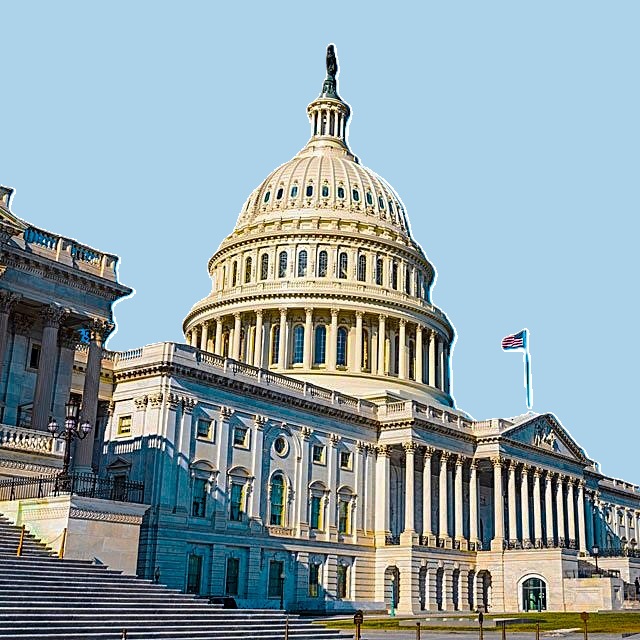
 The U.S. Capitol. Credit: Shutterstock
Members of the U.S. House voted 341-88 today to pass the Consolidated Appropriations Act, 2026 spending package — a big, "must-pass" bill that includes two employer pharmacy benefit manager provisions.
One PBM provision in the "minibus package" would require PBMs to offer employers detailed prescription plan activity information, to help sponsors know whether they and the participants are getting a good deal. Sponsors would have a duty to monitor whether the compensation they were paying PBMs, benefit plan administrators, stop-loss providers and other providers was reasonable.
Another PBM provision would require PBMs to pass all rebates and other discounts they negotiate on to the plans and require plan fiduciaries to monitor whether the compensation levels of PBMs and other service providers, such as providers of dental insurance and stop-loss insurance, were reasonable.
The package also includes new transparency standards and other standards for PBMs that serve Medicare Part D prescription drug plans.
An agency funding section in the package would hold funding for the U.S. Labor Department's benefits oversight agency, the Employee Benefits Security Administration, steady at $191 million.
The minibus spending package now heads to the Senate for consideration there.
Congress must pass the minibus package or other legislation to keep much of the federal government from shutting down Feb. 1.
Congressional bus rides: Procedural rules in the Senate encourage lawmakers to pack as many budget-related provisions as possible into giant packages of legislation. For decades, the measures have often been called "omnibus" packages, because they act like city buses for other bills.
Lawmakers and others now refer to somewhat shorter, more focused budget-related packages as "minibus" packages.
Growth prospects: One question about the CAA, 2026 minibus package is whether it could expand when it reaches the Senate.
Some in the Senate are still hoping to add a provision that would keep premium subsidies for people who buy individual or family coverage through an Affordable Care Act public exchange at a high level. A temporary subsidy boost adopted in response to the COVID-19 pandemic expired Dec. 31, 2025, and created what critics have called a "subsidy cliff."
Legislative mechanics: House leaders needed to win a vote on a resolution for consideration of the package to bring it up on the House floor.
The consideration resolution passed by a narrow, party-line, 214-213 vote.
Many Democrats voted against consideration because they wanted House Republican leaders to allow a vote on amendments that could impose new restrictions on federal immigration enforcement efforts, prevent the federal government from spending money to invade a country in the North Atlantic Treaty Organization and keep ACA premium subsidy levels high.
But some Democrats said they were grateful that House Republicans had reversed many of the medical research program funding cuts and other cuts that the administration of President Donald Trump had proposed in June, and Democrats ended up voting 149-64 for final passage of the package.
© Arc, All Rights Reserved. Request academic re-use from www.copyright.com. All other uses, submit a request to TMSalesOperations@arc-network.com. For more information visit Asset & Logo Licensing.