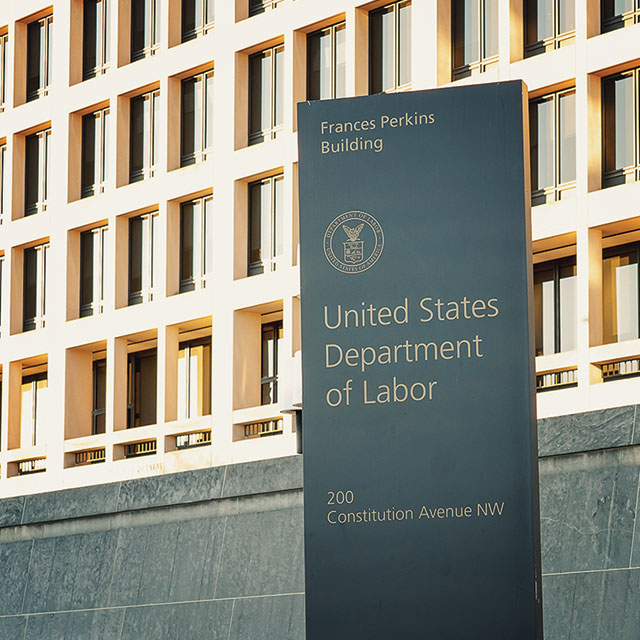
President Donald Trump hooked warp drive engines to regulation writers at the U.S. Department of Labor Tuesday by signing a big spending package that included two major employer pharmacy benefit manager transparency regulations.
One part requires PBMs to send employer health plans detailed prescription benefits tracking information and for the plan fiduciaries to use the data to keep tabs on the benefits and on PBM compensation.
The other part requires PBMs to pass all of the prescription drug rebates and other discounts they negotiate on to the plans and the plan participants.
Officials at the DOL's Employee Benefits Security Administration posted a big batch of draft employer PBM transparency regulations Friday.
Health benefits policy watchers say the immediate impact on employer plan sponsors and plan advisors is clear: The new federal PBM laws will put the EBSA efforts to write PBM transparency regulations on a rocket, and any benefits sector participants with a strong interest in those efforts should give EBSA their thoughts by the March 31 comment deadline.
"This is a big deal," Justin Leader, the chief executive officer at BenefitsDNA, a benefits advisory firm, wrote in a post on LinkedIn. "Employers, advisors and fiduciaries should be paying attention and speaking up."
Kevin Lyons, a longtime New Jersey benefits advisor manager, also posted about the need to submit formal comments.
"You will lose all credibility if you do not comment," Lyons said.
Dae Lee, a pharmacist and lawyer who handles issues related to the pharmaceutical industry at Buchanan Ingersoll & Rooney, begged pharmacies and employer plan sponsors to submit comments.
If they don't, "PBMs and their lobbying groups will gladly do it for us," Lee posted. "Public comments matter. Agencies read them. Courts rely on them."
Employer plan managers who have dealt with concerns such as impossible-to-see reimbursement methodologies and "take it or leave it" PBM contracts need to put that on the record, Lee said.
The PBMs, meanwhile, want employers, benefits advisors and others to tell regulators about what the PBMs maintain are the drawbacks of imposing new requirements on the PBMs.
The Pharmaceutical Care Management Association said in a statement that a big drug manufacturer group spent about $38 million to lobby the federal government in 2025.
"There should be no confusion about why Big Pharma is putting its money into targeting PBMs," according to the PCMA." PBMs are the one real check against big pharmaceutical companies' otherwise limitless pricing power. If PBMs are weakened by restricting the tools used to lower drug costs, Big Pharma has more power to keep drug costs high."
What it means: The battle over the final version of DOL's PBM transparency regulations could be dramatic.
The new laws: Now that Trump has signed the Consolidated Appropriations Act 2026, benefits policy specialists are looking hard at the PBM section details.
The ERISA Industry Committee noted that the PBM reporting section will require PBMs to provide group health plan sponsors with reports, twice a year, showing:
◆ Spending on prescription drug benefits.
◆ Prices.
◆ Rebates.
◆ Fees.
◆ Alternative discounts.
◆ Spread pricing arrangements.
◆ Rationales for giving the higher-cost drugs on plan "formularies," or lists of covered drugs, better treatment than lower-cost drugs.
The rebate pass-through section will require PBMs (and affiliates such as group purchasing organizations) to "remit 100% of rebates and remuneration from pharmaceutical manufacturers to employers or sponsors," according to ERIC.
The rebate pass-through section does allow for flat administrative fees, and it provides fiduciaries that take specified compliance steps with liability protection, ERIC says.
Reactions: PBM groups and health insurers have predicted that new restrictions on PBMs will lead to big increases in costs for employers.
Today, however, benefits groups are celebrating the signing of the CAA 2026 package and its employer PBM provisions.
James Gelfand, the CEO of ERIC, noted that moving the PBM provisions "down the football field" took eight years.
"Some years, we gained yards," Gelfand said. "Other years, it was more like Lucy with the football in that old Charlie Brown cartoon. ERIC would get the ball down the field and be ready to kick it through the goal post for the win, only to have it yanked away at the last second."
Now, Gelfand said, the PBM changes have finally made it across the goal line.
Shawn Gremminger, the CEO of the National Alliance of Healthcare Purchaser Coalitions, a group for big health care purchasing organizations, also celebrated the enactment of the new federal PBM laws.
Enactment of laws is "a long overdue correction to a system that has lacked transparency for far too long," Gremminger said.
The Campaign for Sustainable Rx Pricing said a CAA 2026 section related to how pharmaceutical companies develop generic versions of brand-name drugs should also help, by making it easier for would-be competitors to create and get permission to sell generic drugs.
© Arc, All Rights Reserved. Request academic re-use from www.copyright.com. All other uses, submit a request to TMSalesOperations@arc-network.com. For more information visit Asset & Logo Licensing.