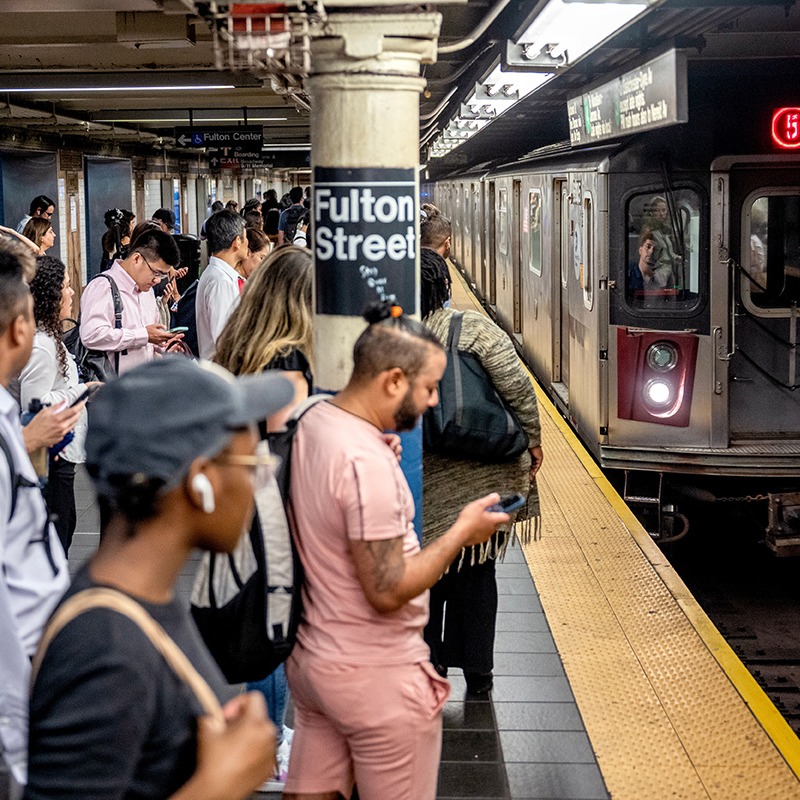
An analysis from resume-building service MyPerfectResume® might provide compelling talking points for future return-to-office discussions. The report indicates workers in the United States lose an average of 223 hours each year because of their commute. That's equivalent to nearly six unpaid 40-hour workweeks. When the value of that time is translated into dollars using federal wage data, the so-called"invisible pay cut" totals $8,158 annually for the average U.S. worker, according to the analysis.
Titled "The Invisible Pay Cut," the report reframes commuting as part of the total work experience and highlights the significant, often overlooked burden reintroduced by widespread return-to-office mandates. The report ranks all 50 of the nation's largest metropolitan areas to determine which cities face the highest dollar equivalent of their daily commute.
The report indicates workers in San Jose, Calif.; San Francisco; and New York City lose the most time value, exceeding $12,000 annually. (Incidentally, New Yorkers also have the longest commute — a one-way average of 36 minutes, corresponding to about 300 hours per year lost to transit.)
Smaller metropolitan areas, such as Grand Rapids, Mich.; Memphis, Tenn.; and Oklahoma City average around $5,000 in lost time value per year.
"While commuting isn't a literal pay cut, it represents a real loss of time that could be spent working, resting, or living," said Jasmine Escalera, a career expert at MyPerfectResume. "By quantifying commute time in terms of value, we expose how returning to the office reshapes the economics of work for millions of people."
Indeed, the analysis reveals three ways in which commuting shapes the true nature of compensation and work-life balance in 2026, according to MyPerfectResume:
- It reframes time as part of compensation. Commuting expands the unpaid portion of the workday, reducing the practical value of take-home pay.
- It exposes the hidden cost of return-to-office mandates. Millions of workers who went remote during the pandemic experienced firsthand how much time they reclaimed. Returning to mandatory commuting can feel like a loss of autonomy and balance.
- It highlights regional inequities. In high-wage metro areas, long commutes translate into enormous time-value losses. In other cases, lower wages and limited transportation options still impose a substantial "time tax."
"Ultimately," the report notes, "the invisible pay helps us visualize an old truth: Time is money, and where we work affects both."
© Arc, All Rights Reserved. Request academic re-use from www.copyright.com. All other uses, submit a request to TMSalesOperations@arc-network.com. For more information visit Asset & Logo Licensing.