 Credit: Tryfonov/Adobe Stock
A few federal regulation could help patients, employers, benefits brokers and artificial intelligence services companies get complete health records for doctors and hospitals more easily.
The U.S. Department of Health and Human Services has adopted a final rule setting standards for health care claim attachments, along with a standard for the electronic signatures to be used with the health care claims attachments.
The HHS Office of the Secretary is implementing the rule by requiring use of a set of standards developed by a major standards organization, X12. Health care organizations are supposed to comply with the regulations by May 26, 2028.
The HHS office published the regulations today in the Federal Register.
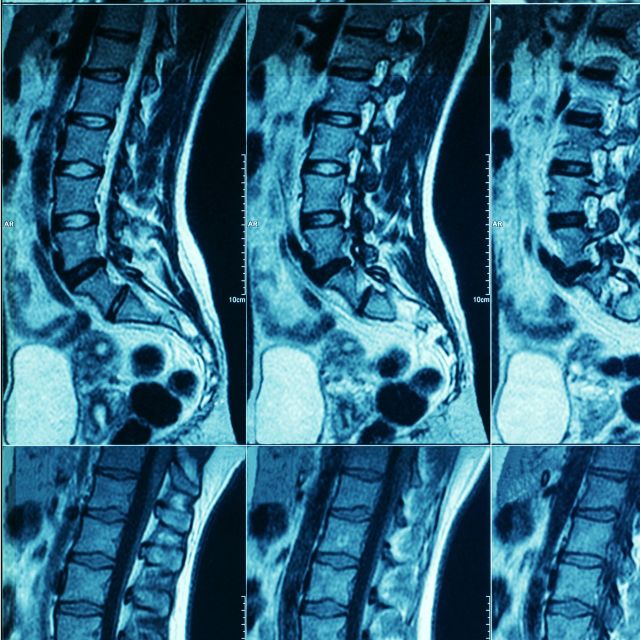
By encouraging widespread use of standards for images such as X-ray images, MRI images and clinical handwritten clinical notes, the standards could require overhauls of system of the systems used to administer health coverage claims, but they could make the updated systems work better, and they could also promote standardization of all attachment formats, even for activities not related to health care.
Dr. Mehmet Oz, the administrator of the Centers for Medicare & Medicaid Services, noted in a comment about the completion of the standards regulation that many medical offices still make heavy use of facsimile machines because of the lack of widely accepted attachment standards.
"The 1980s called, and they want their fax machines back," Oz said. "This new rule will modernize American health care by standardizing electronic claims attachments and enabling secure electronic signatures. Because every minute providers save on paperwork is another minute they can spend caring for patients."
What it means: The new HHS regulations could cause U.S. health care delivery, administration and payment systems to work together much more smoothly by 2028 — but employers and benefits advisors have been hearing about changes that were about to make health IT systems to work together smoothly within the next two years every year since at least 1996, when Congress put administrative simplication and health data standards in the Health Insurance Portability and Accountability Act.
No prior authorization attachment data standard: Originally, HHS considered requiring providers and payers to use an X12 standard — version 6020 of the X12N 278 standard for health care services request for review and response messages — for prior authorization review transactions.
HHS ended up adopting standards only for health care claims attachments, because the health care industry does not yet seem to have enough experience with using the standard for prior authorization transactions, and commenters "asserted that there is a lack of agreement on data element standardization within the industry," HHS officials wrote in the preamble to the regulations.
The backdrop: Most health IT players have publicly supported the idea of standards harmonization.
But big, established organizations have business incentives to use homegrown standards, or variations on the standards, to lock patients, providers and payers in.
Patients who want to change providers always talked about a need for easier way to get and move medical records, but they had little ability to influence records standards.
Today, the new health AI players are supporting health data standards efforts, because widespread use of health data standards would increase AI systems' ability to get and use the data they need to operate.
© Arc, All Rights Reserved. Request academic re-use from www.copyright.com. All other uses, submit a request to TMSalesOperations@arc-network.com. For more information visit Asset & Logo Licensing.