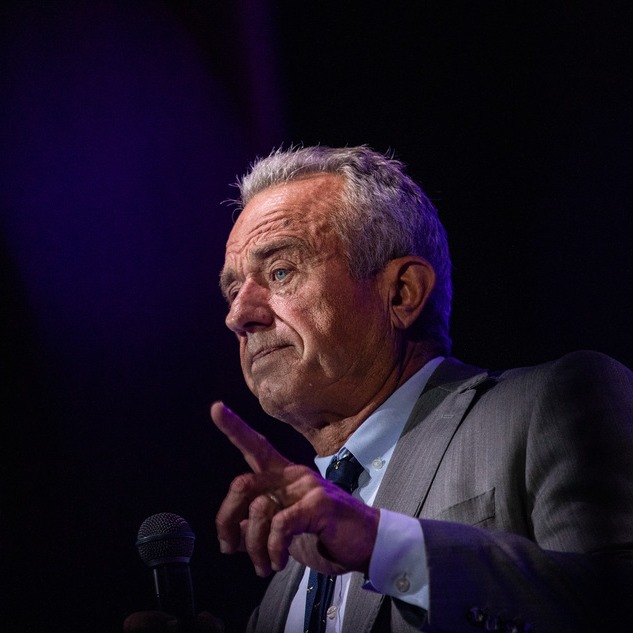
HHS Secretary Robert F. Kennedy Jr. defended his agency's policies on Medicaid funding, maternal health and other issues during a contentious congressional hearing on Tuesday. In testimony before the House Energy and Commerce Health Subcommittee, Kennedy said, "there have been no cuts to Medicaid."
Federal Medicaid spending is forecast to grow from $708 billion this year to $941 billion in 2035, according to the latest projection from the Congressional Budget Office. However, it would have increased to more than $1 trillion in 2035 if the One Big Beautiful Bill had not been enacted last summer, according to CNN. As a result, the CBO expects Medicaid spending to be reduced by a total of $1.2 trillion between 2026 and 2035.
Rep. Robin Kelly, D-Ill., pressed Kennedy about maternal health care and the country's high rate of maternal deaths, particularly among Black women
"You're right," Kennedy responded. "We have the worst maternal health outcomes of any of the Western countries, and Black women are 2.6 times more likely" to die in pregnancy and childbirth than white women.
Improvements are being made, he said, citing a perinatal pilot program that he said has reduced the rate of maternal mortality by 42%. A report he shared with CNN showed that a program that began in 2020 has resulted in a 41.5% drop in deaths during hospital stays for childbirth among 250 hospitals over several years.
Kelly disagreed.
"The American people are not falling for what you're saying," she said. "Your attacks on minority health, women's health, LGBTQ+ health and basic preventative medicine through illegal funding freezes and mass firings will lead to decades of consequences for all Americans. You have failed at your job and failed the American people. You don't have to show me the data. I'm the one who brought the issue [of maternal mortality] to Congress."
Sen. Susan Collins, R-Maine, also questioned Kennedy's assertions.
"It appears that the administration is looking at these health disparities and is not looking at them -- is pulling back from these grants instead of figuring out why these health disparities exist and how to address them," she said.
Kennedy also faced questions about his vaccination stance as more than 1,700 cases of measles have been reported so far this year. He denied that his vaccine views play a role in declining vaccination rates and disputed that he has been anti-vaccination. "The problem is not me," he said. "There are people in this country who do not vaccinate."
In response to questions about vaccine policy change, such as a proposal to delay hepatitis B vaccination from infancy to age 12, the secretary insisted that he is not against vaccines but wants more safety studies conducted.
© Arc, All Rights Reserved. Request academic re-use from www.copyright.com. All other uses, submit a request to TMSalesOperations@arc-network.com. For more information visit Asset & Logo Licensing.