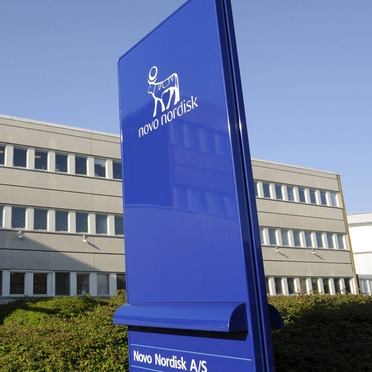
Novo Nordisk announced on Thursday that it will seek regulatory approval to make Ozempic the first oral GLP-1 drug approved for children and adolescents with type 2 diabetes. The company expects to file for regulatory approval of a label expansion for Ozempic pills in the United States and Rybelsus in the European Union in the second half of this year.
Although it currently is not approved for use in younger patients, it significantly reduced blood sugar in 10- to 17-year-olds in late-stage trials. The 52-week study found "superior blood glucose lowering vs. multiple comparators, together with consistent weight reduction, reduction in cardiometabolic risk factors and reduction in major adverse cardiovascular events," the company said in a news release.
Oral semaglutide has the potential to be the first oral GLP-1 to demonstrate a superior reduction in blood sugar levels compared with a placebo in children and adolescents with type 2 diabetes, Novo Nordisk said, while maintaining the well-tolerated safety profile seen across other semaglutide trials.
"Over the past two decades, the prevalence of Type 2 diabetes among children and adolescents has increased substantially, yet treatment options for this population remain limited, underscoring a significant unmet need," said Martin Holst Lange, Novo Nordisk's chief scientific officer and head of research and development, according to the Wall Street Journal. "Oral semaglutide is an effective treatment option for children and adolescents with type 2 diabetes who require glycemic control beyond that provided by the current standard of care."
Lange also pointed to the "proven cardiovascular benefits" of semaglutide and the drug's strong safety profile. Current treatment options have limitations, according to the industry website pharmaphorum. Metformin is unable to achieve blood glucose control targets in approximately half of adolescents, and basal insulins can have side effects, including low and potentially dangerous blood glucose levels and weight gain.
Nearly 1 in 3 U.S. adolescents between the ages of 10 and 19 has prediabetes or type 2 diabetes, according to a National Health and Nutrition Examination survey earlier this year. By 2060, the number of young people under 20 with type 2 diabetes could increase by about 70% if the current rate of new diagnoses remains constant, or by about 700% if the rate continues to rise. Under both scenarios, the increase is expected to be higher among Black, Hispanic/Latino, Asian, Pacific Islander and American Indian/Alaska Native youth.
© Arc, All Rights Reserved. Request academic re-use from www.copyright.com. All other uses, submit a request to TMSalesOperations@arc-network.com. For more information visit Asset & Logo Licensing.