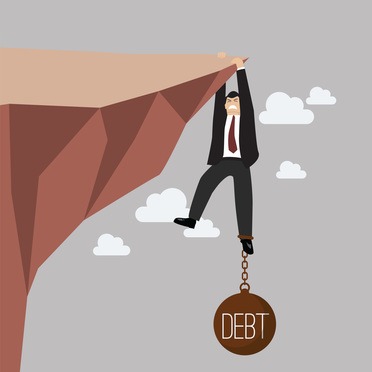
Approximately 34% of U.S. consumers are currently unable to make the full monthly payment of their household debts, according to a new joint survey from Money.com and digital financial services company Achieve. The findings reveal a widening gap in financial stability, with more than one in four Americans (28%) now describing their total unsecured debt load as unmanageable.
The study, titled "Rising debt is taking a toll on Americans' financial and mental health," is based on survey responses from 2,000 U.S. consumers 18 years or older who identified as being either the primary or shared financial decisionmaker in their household.
As the cost of basic living necessities like housing, groceries, and health care continues to rise, the inability to meet monthly payment obligations is pushing more American families toward risky behaviors and taking a significant toll on their physical and mental wellbeing, according to the study. Among respondents who classify their debt load as "far more than manageable," 80% said they can't regularly pay all their monthly bills each month. What's more, only one-third of consumers report living debt-free.
"For many American families, debt and money insecurity have become mental and physical health issues," Achieve Co-CEO Brad Stroh said. "When 80% of those with unmanageable debt burdens are unable to meet their monthly obligations, the traditional path is no longer working. There is a need for a strategic reset in how households approach their financial journeys. Struggling alone just isn't working anymore."
Health impact of financial stress
To Stroh's point, the survey's findings highlight a clear link between rising debt levels and a deteriorating quality of life. Here are four examples:
1. Mental and physical toll: Half of all respondents report feeling anxious or on edge regarding their finances, while 49% experience trouble sleeping and 50% suffer from fatigue or low energy due to debt stress.
2. Chronic pain and illness: More than one-third of respondents report developing headaches or migraines (38%) or digestive issues (35%), and 14% have delayed or skipped medical treatments to save money.
3. Strained relationships and wellbeing: The financial pressure ripples into personal lives, too, with 44% of respondents feeling overwhelmed and one-quarter reporting intimacy challenges with their partner as a result of financial stress.
4. Dangerous coping mechanisms: To manage financial stress, 20% of respondents admit to using alcohol or other substances.
"What stands out in this data is the growing number of Americans who feel financially stretched beyond their limits," said Mike Ayers, executive editor of Money.com. "Many consumers are looking for practical ways to regain stability and reduce the stress that comes with carrying too much debt."
Focus on survival habits
With debt becoming increasingly unmanageable, many Americans appear forced into survival habits that may further jeopardize their long-term stability.
For example, 26% of all respondents — and 47% of those with unmanageable debt — have been forced to reduce spending on basic necessities like food and utilities. Meanwhile 23% of those with unmanageable debt have been forced to pull money from emergency funds, while 11% have turned to costly payday lenders.
On the other hand, many families appear comfortable exploring proactive strategies to move forward, including debt consolidation (48%) and working with a company that negotiates debts on their behalf (44%). And a full 75% of respondents remain hopeful that their financial situation will improve in the future.
© Arc, All Rights Reserved. Request academic re-use from www.copyright.com. All other uses, submit a request to TMSalesOperations@arc-network.com. For more information visit Asset & Logo Licensing.