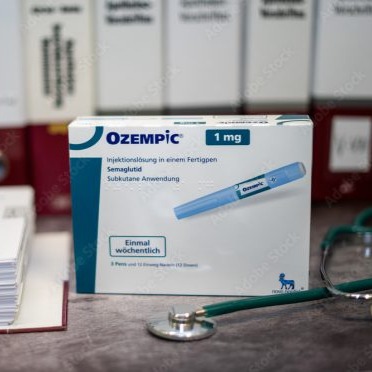
Maryland officials voted this week to cap the amount that state and local governments pays for the GLP-1 drug Ozempic on state health plans. The Maryland Prescription Drug Affordability Board's proposed upper payment limit could save around $5.8 million a year, proponents said, according to Maryland Matters.
Last month, the board voted to place an upper payment limit on Jardiance, another Type 2 diabetes drug, that it said could save the state around $320,000 a year. However, the public will be able to comment on both proposed price caps, and even if approved, they wouldn't take effect until at least 2027.
Some patient advocacy groups and pharmaceutical lobbyists counter that the board's decision could reduce access to the drugs and are skeptical whether savings will result in lower out-of-pocket costs for consumers.
"It is patients who could face the consequences through new insurance barriers such as formulary changes, adverse tiering and expanded utilization management," Tiffany Westrich-Robertson said in a written statement on behalf of the Ensuring Access through Collaborative Health and Patient Inclusion Council. "Patients need reforms that directly reduce out-of-pocket costs and protect access to the medication that works for them, not policies that may create new barriers to care without guaranteeing meaningful savings for patients."
The board also voted to look for other ways to reduce the price of GLP-1 drugs. One possibility is a prescription model in which the state pays an annual fee to one manufacturer in exchange for expanded or unlimited supply of semaglutide, among other options.
The organization Maryland Health Care for All advocates expanding the board's authority to include residents with private health insurance.
"It really is significant for the people of Maryland," Vincent DeMarco, the group's president, said before Monday's vote. "State and local governments will be saving millions of dollars, because they are being gouged by the drug corporations. We commend the board for doing the right thing and understanding how to make this happen. It's not easy, but we are making significant progress."
The Maryland decision comes as both the federal government and other states took for ways to make GLP-1 drugs more affordable. Last fall, the Trump administration announced it will continue a Biden-era policy of negotiating lower medication costs for Medicare Part D recipients. The Inflation Reduction Act, passed by Congress in 2022, allowed Medicare to negotiate drug prices and set a $2,000 annual cap on out-of-pocket drug expenses for Medicare Part D enrollees. Ozempic and Wegovy are among the drugs eligible for negotiation.
© Arc, All Rights Reserved. Request academic re-use from www.copyright.com. All other uses, submit a request to TMSalesOperations@arc-network.com. For more information visit Asset & Logo Licensing.