 Credit: Tarun/Adobe Stock
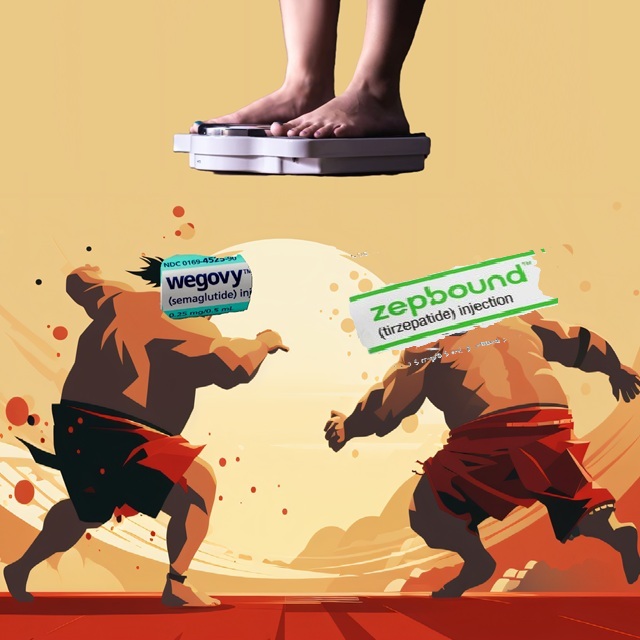
Use of GLP-1 agonists and similar weight-loss drugs continued to grow at the employer-sponsored plans that Benefitfocus served in 2025.
About 6% of the plan enrollees took Wegovy, Zepbound or similar drugs to control their weight, up from 5.1% in 2024, the plan administrator said in a new report.
The weight-loss drugs accounted for 20.3% of the plans' prescription spending, up from 17.5% the previous year.
GLP-1 usage demand partly because the U.S. Food and Drug Administration approved use of the drugs as a treatment for heart disease, and also because of "aggressive direct-to-consumer marketing that has fueled member demand," Benefitfocus analysts wrote in the report.
Covering GLP-1s for an enrollee who took the drug cost the plans surveyed an average of $7,400 per year.
Benefitfocus is a subsidiary of Voya Financial.
The analysis included data from 316 employers that Benefitfocus serves. The plans were self-insured plans that covered at least 1,000 full-time employees. The plans had a total of 1.8 million employees.
What it means: As of last year, GLP-1s were still a major cause of spending increases at large, self-insured employer health plans.
The backdrop: About half of Americans are overweight or obese.
Americans in the general population are probably less likely to have had coverage for GLP-1 agonists in 2025 than enrollees in large employer health plans, but the Benefitfocus may exclude people who paid for the drugs entirely out of their own pockets.
If 6% of the 270 million adult Americans took GLP-1s in 2025, at an average cost of $7,400 per patient, total 2025 U.S. GLP-1 spending would amount to $120 billion.
David Joyner, the chief executive officer of CVS Health, predicted at a U.S. House hearing in 2024 that GLP-1 agonists could soon generate about $1 trillion in annual health care spending if policymakers failed to do something about GLP-1 prices.
The new Benefitfocus plan analysis appears to support earlier reports that hint that Americans may already be spending more than $50 billion on GLP-1 agonists per year.
A web broker, eHealth, reported that 5.1% of the U.S. adults it surveyed in November 2025 were taking a GLP-1 agonist or similar drug then. If the drugs cost an average of $5,000, that could imply total 2025 U.S. GLP-1 spending of $67 billion.
CBIZ estimated that GLP-1 agonists accounted for about 17% of 2024 employee pharmacy claims at employer-sponsored plans that it served that year.
U.S. commercial health plans spent about $1,600 on prescription drugs per enrollee in 2024, according to UnitedHealth Group. If 17% of all 2024 commercial plan pharmacy spending paid for GLP-1 agonists, that implies the drugs accounted for about $50 billion in 2024 commercial plan spending.
© Arc, All Rights Reserved. Request academic re-use from www.copyright.com. All other uses, submit a request to TMSalesOperations@arc-network.com. For more information visit Asset & Logo Licensing.