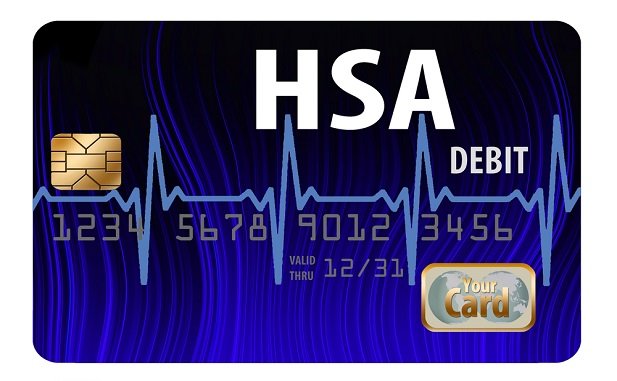
 (All photos: Shutterstock)
A new report from Lively, a health and lifestyle benefits platform, indicates how U.S. account holders are using Health Savings Accounts (HSAs) to cope with record-high health care prices.
According to the company’s seventh annual “HSA Spend Report,” withdrawals increased 13% in 2024 — from $1,162 to $1,320, closely mirroring the national average of $1,370. Additionally, hospital spending increased 5%, which Lively officials said underscores how HSAs are helping consumers manage rising care costs in real time. The percentage of assets retained, meanwhile, dropped to 20%, signaling that accountholders are increasingly tapping into their health care savings.
All of this suggests, according to Lively, that HSAs are proving to be more than just expense accounts — they’re becoming essential financial safety nets as inflation unnerves consumers and medical costs keep climbing.
However, despite the power of HSAs, their full potential remains underutilized, according to the report: “This is not due to a lack of interest but rather to a systemic education gap. Many Americans are not taught how to use HSAs strategically. As a result, key advantages—especially tax-free investing — are often left on the table. This isn’t a shortfall of any single provider but a signal to the broader ecosystem: employers, brokers, HR leaders, and platform partners must work together to close this gap. Education must be treated not as an afterthought, but as a core feature of the HSA offering.”
To the end, the report offers five strategic actions employers can take to empower their employees — including bundling HSA benefits with dental/vision and wellness/lifestyle benefits to keep prices lower, choosing a benefits provider that makes investing automatic and accessible, and prioritizing year-round education.
“Employees are drowning in information, and HSA education is getting lost in the noise. That’s the real challenge,” Lively CEO and cofounder Alex Cyriac told BenefitsPRO. “We’ve seen that delivering written content alone simply doesn’t cut through. People have different learning styles, and generational preferences play a huge role in how information is absorbed. To get people to truly engage with HSAs, the education needs to be not only clear and relevant, it has to be delivered in formats that grab attention, like video or podcasts. When employers fail to do that, adoption and understanding suffer.”
Indeed, Cyriac emphasizes that HSA education is vital, noting that employers who prioritize education ahead of open enrollment see stronger adoption and higher satisfaction from their teams.
“Adding to the urgency, health care premiums continue to rise at unsustainable rates, making the current path nearly impossible for many employers to maintain,” he added. “HSAs, when paired with a high-deductible health plan (HDHP), offer one of the most effective ways to control health care costs. Employer contributions to HSAs also play a critical role in helping employees prepare for their annual health care expenses. But again, without ongoing, engaging education throughout the year, HSA adoption will continue to lag behind HDHP enrollment.”
© Arc, All Rights Reserved. Request academic re-use from www.copyright.com. All other uses, submit a request to TMSalesOperations@arc-network.com. For more information visit Asset & Logo Licensing.