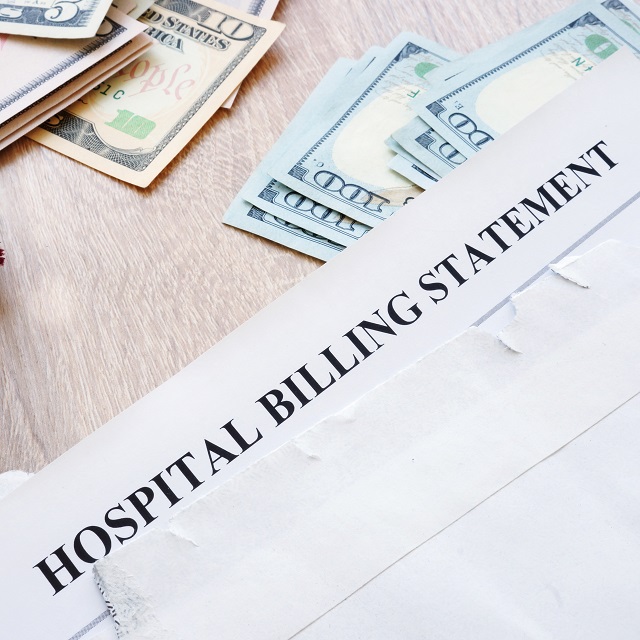
 Hospital bill
Disputes about appropriate fees under the federal No Surprises Act are revolved through independent dispute resolution, or IDR. An arbiter selects either the provider’s or the insurer’s amount with no other option, and the losing side pays the fees.
This process, now in its fourth year, carries a hefty price tag. Providers have brought far more disputes into IDR than anticipated and have won the vast majority. When providers win, they typically receive fees that are three to four times the typical in-network rate.
“The high volume of IDR disputes is generating significant spending from administrative costs and higher payments for services,” according to research reported in HealthAffairs. “This higher spending will likely be reflected in higher overall health costs and consumer premiums in the future. By estimating administrative and payment costs, we find the IDR process has generated at least $5 billion in total costs through the end of 2024.”
The sheer volume of disputes submitted for IDR has far exceeded expectations. When the process was established, federal agencies estimated an annual total of 17,333 disputes, with an additional 4,899 disputes from air ambulance providers. However, the nine months after the system opened in 2022, about 190,000 disputes were filed, which is more than 10 times the number expected for the first full year alone. And from mid-2022 through May 2025, more than 3.3 million disputes were filed.
“The IDR system has added at least $5 billion to overall health system costs since its inception– -- approximately $2 billion to $2.5 billion per year,” the report said. “If additional stakeholder administrative costs could be measured and included, costs are likely much more. And as dispute volume grows, so will costs.”
The report included several recommendations for holding the line on costs:
- One component of the high dispute volume is the prevalence of ineligible disputes, constituting about 20% of all closed disputes. Because IDR entities receive no fee for disputes deemed ineligible, some external means of assessing eligibility may be needed.
- Congress anticipated that a more significant volume of cases would be settled outside the IDR process through informal negotiations. While the rate of such settlements cannot be measured under the current system, a proposed rule could allow closer tracking of open negotiations.
- For cases that receive a payment determination from IDR entities, the high provider win rate and the magnitude of the prevailing rates continue to defy expectations. More transparency and consistency among IDR entities might help observers better understand the results.
- Federal agencies could provide neutral data on payment amounts to the IDR entities to offer a means of anchoring payment determinations to market data.
“The No Surprises Act successfully protects consumers from higher out-of-pocket costs associated with surprise bills and out-of-network cost sharing,” the report concluded. “But without action to rethink the IDR process, the high costs will add to overall health system costs and will ultimately by paid by consumers.”
© Arc, All Rights Reserved. Request academic re-use from www.copyright.com. All other uses, submit a request to TMSalesOperations@arc-network.com. For more information visit Asset & Logo Licensing.