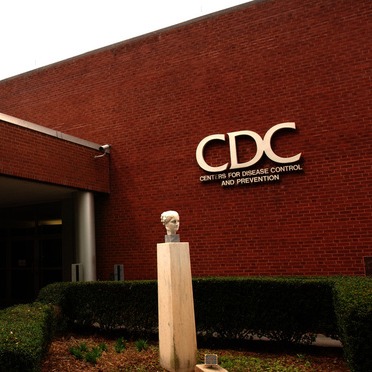
The federal government’s partial shutdown is throwing key agencies into disarray, with health, benefits, and tax operations facing widespread furloughs, confusion, and miscommunication. At the CDC, hundreds of employees were mistakenly laid off last week before being hurriedly reinstated, highlighting the growing chaos across federal departments.
According to Becker’s Hospital Review, the Trump administration began issuing reduction-in-force (RIF) notices on Oct. 10, affecting more than 4,000 federal workers across seven agencies, including the Department of Health and Human Services. Among those mistakenly terminated were members of the CDC’s measles response team, the “Morbidity and Mortality Weekly Report” staff, and epidemic intelligence officers responsible for outbreak investigations. By the following day, the administration said the errors had been corrected and workers were being reinstated.
The mix-up underscores the growing turmoil at HHS, which has faced rounds of layoffs and leadership shakeups under Secretary Robert F. Kennedy Jr. Even before the shutdown, HHS had rescinded and reissued thousands of job cuts, leaving agency morale uncertain. The administration has framed the reductions as part of its “Make America Healthy Again” agenda to eliminate “wasteful and duplicative” programs — rhetoric that critics say masks politically driven cuts.
The shutdown’s impact extends far beyond HHS. As BenefitsPRO has reported, the Employee Benefits Security Administration (EBSA) — the Labor Department division that enforces retirement and health benefits laws — has furloughed 75% of its workforce. While essential activities such as No Surprises Act billing investigations and mental health parity enforcement continue, research, audits, and compliance assistance programs are largely suspended. For benefits advisors and employers, that means some regulatory projects, like the long-awaited broker compensation disclosure rules, could face delays.
The IRS is also scaling back. Roughly 34,000 employees have been furloughed as leftover funding runs out, forcing the agency to pause most taxpayer services — just as individuals and businesses scramble to meet their Oct. 15 filing deadline. Nearly 40,000 staff remain on the job to maintain critical operations, but taxpayer advocates warn that the public will feel the pinch. “Taxpayers around the country will now have a much harder time getting the assistance they need,” said Doreen Greenwald, president of the National Treasury Employees Union.
The American Federation of Government Employees has already sued the administration, calling the layoffs illegal and accusing officials of using the shutdown “to punish workers and pressure Congress.” Meanwhile, lawmakers Republicans and Democrats don’t seem any closer to reaching some sort of compromise to end the shutdown. At the center of the impasse is an extension of Affordable Care Act premium subsidies: Democrats have said they will not approve any measure that omits the tax credit extension, while Republicans are pushing for a bill that maintains current spending levels through Nov. 21.
With agencies improvising and public services stretched thin, the stalemate is leaving millions of workers, employers, and taxpayers in limbo — and raising broader questions about how long the nation’s health and benefits infrastructure can function under such uncertainty.
© Arc, All Rights Reserved. Request academic re-use from www.copyright.com. All other uses, submit a request to TMSalesOperations@arc-network.com. For more information visit Asset & Logo Licensing.