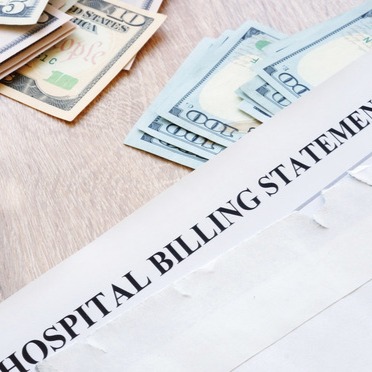
The North Carolina Medical Relief Program is eliminating more than $6.5 billion in medical debt for around 2.5 million residents, which exceeds initial projections. Hospitals already have sent at least 225,000 letters informing individuals that their debt has been erased, with more letters to be sent in coming months and years.
“Medical debt is a tremendous weight, keeping so many families from financial security, and, unlike most other forms of debt, it’s not a choice," Democratic Gov. Josh Stein said in announcing the debt relief earlier this week. "Today’s announcement will free people from financial stress so they can focus on getting healthy.”
The North Carolina Department of Health and Human Services, the non-profit organization Undue Medial Debt and nearly 100 acute-care hospitals statewide are collaborating in the debt-relief program. The Centers for Medicare & Medicaid Services approved using medical debt policies as a condition of eligibility for state hospitals to receive an enhanced level of payment under the Healthcare Access and Stabilization Program, which began at the same time as Medicaid expansion. To be eligible for enhanced payments, hospitals were required to relieve medical debt for certain low- and middle-income residents and adopt more generous charity care policies.
The hospitals each agreed to relieve all medical debt deemed uncollectible dating as far back as Jan. 1, 2014, for anyone enrolled in Medicaid, as well as anyone not enrolled Medicaid with an income at or below 350% of the federal poverty level or for whom the total debt exceeded 5% of their annual income. They also agreed to:
- Discount medical bills by 50% to 100% for patients with incomes at or below 300% of the federal poverty level;
- Conduct presumptive screening for and automatic enrollment into financial assistance;
- Not sell to debt collectors any medical debt for those with incomes at or below 300% of the federal poverty level; and
- Not report any patient debt covered by the policies to a credit reporting agency.
“Medical debt delays access to care, and easing debt is a pivotal step forward to improving the health and wellbeing of those who carry the emotional stress and financial weight of high costs for medical care," said Dev Sangvai, the state HHS secretary. "We are grateful to the hospitals and providers who are helping to give a fresh start to millions of North Carolinians."
© Arc, All Rights Reserved. Request academic re-use from www.copyright.com. All other uses, submit a request to TMSalesOperations@arc-network.com. For more information visit Asset & Logo Licensing.