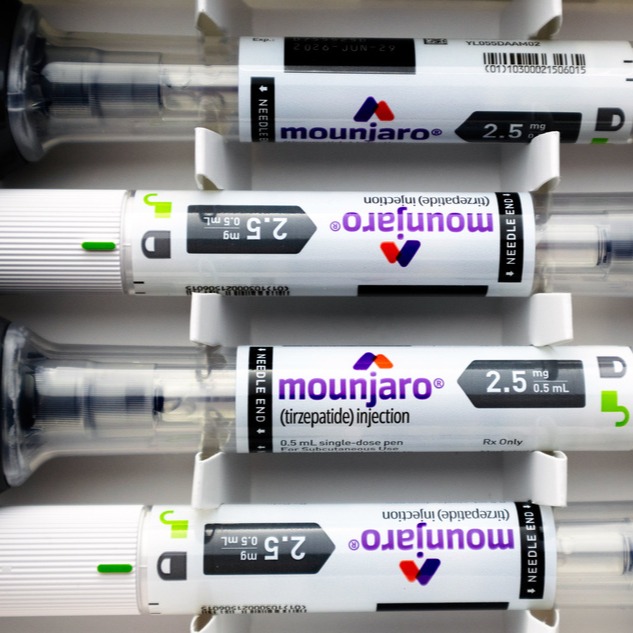
In the wake of releasing its annual benchmark health benefits survey last month, which found a notable increase in the number of the largest firms in the United States covering GLP-1 medications for weight loss, the Peterson Center on Healthcare and KFF is sharing new insights from employers.
Based on interviews and groups discussions with more than 100 employers during the summer and fall, feedback received from more than 100 companies reveals it’s clear that firms are concerned about usage of such weight loss agonists as Ozempic, Wegovy, Mounjaro, Saxenda, and Victoza.
“Many employers reported that use was higher than expected and covering them significantly increased prescription drug cost,” according to Peterson-KFF. “While recognizing their effectiveness in addressing obesity, many employers indicated they were considering scaling back coverage. In some cases, employers reported adding or strengthening case management programs or changing utilization management requirements. Several firms that initially covered GLP-1 drugs for weight loss have since restricted coverage to only cover GLP-1 agonists for employees with specific medical indications, like diabetes. These firms face the challenge of removing benefits from employees who may like and value the coverage.”
As the annual survey reveals, about 1 in 5 (19%) of large firms offering health benefits say they cover costly GLP-1 drugs, while a majority (57%) say they do not cover such drugs for weight loss. About a quarter (24%) are unsure if their largest plans cover them. Among the firms with at least 5,000 employees, 43% now say they cover GLP-1 drugs for weight loss in their largest plan, up from 28% in 2024.
Companies did acknowledge that the drugs could have beneficial health impacts on employees.
“When you bring the weight down, the blood pressure comes down, the cholesterol comes down, … there are a lot of really good benefits to [other conditions] that could be expensive, that are more expensive than the drug, especially with the drug cost coming down,” a senior vice president of human resources for a large nonprofit said.
The survey also noted that 34% of firms require lifestyle or clinical support programs in order for employees to receive GLP-1 agonists for weight loss. Others don’t mandate such programs, concerned that they might be unpopular with employees.
“We chose to keep GLP-1s certainly for diabetes, and we also have it for weight,” the human resources director for a large manufacturer said. “We saw about a 30% increase in GLP-1 cost, and so we have direct contracted with [online weight loss program] to help us manage that program. We have not made it a mandatory program. It’s still a voluntary program. That’s just our culture, to not force people to do things.”
So what might the future hold for obesity drug coverage? One director of rewards for a large manufacturer offered this solution: “Our GLP-1 agonist spending year over year was increasing 50% for weight loss. So for 2026, we decided to increase to co-pays, which … hadn’t increased in forever.”
Others, meanwhile, have dropped coverage. “Our leadership team proposed gatekeeping with [an online weight-loss management program],” said the director of benefits strategy for another large manufacturer. “And they’re like, no, we can’t afford this at all. So we’re cutting off [coverage for GLP-1 agonists for weight loss]. The letters are going out this week to tell people.”
© Arc, All Rights Reserved. Request academic re-use from www.copyright.com. All other uses, submit a request to TMSalesOperations@arc-network.com. For more information visit Asset & Logo Licensing.