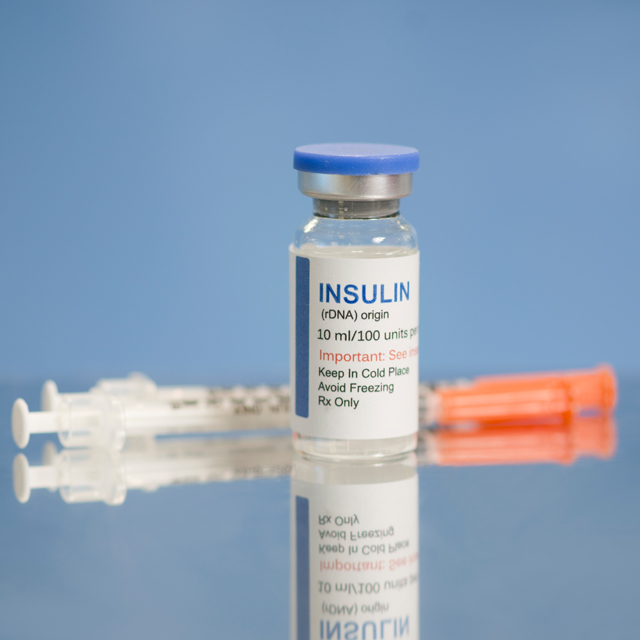
Yesterday, the U.S. attorney announced that CVS Health will pay $37.76 million to settle allegations it dispensed too many insulin pens to patients and then obtained improper reimbursements from Medicare, Medicaid and other government health care programs.
The settlement resolves allegations that, from 2010 through 2020, CVS violated the False Claims Act in connection with its billing and dispensing of insulin pens to patients enrolled in Government health care programs (“GHPs’), including Medicare, Medicaid, TRICARE and the Federal Employee Health Benefits Program.
The U.S. Government alleged that CVS improperly requested and received GHP reimbursement for premature refills, dispensed more insulin pens that patients needed according to their prescriptions, and falsely under-reported the days-of-supply of insulin that its pharmacies dispensed.
Under the settlement, approved by U.S. District Judge John G. Koltl, CVS admitted and accepted responsibility and agreed to pay a total sum of $37.76 million, with $24,446,240 to be paid to the United States and the remainder to be paid to various states.
“CVS engaged in a decade-long practice of repeatedly prematurely refilling insulin prescriptions for patients and improperly billing government health care programs for more insulin than patients needed,” said U.S. Attorney Jay Clayton. “These programs rely on pharmacies to follow appropriate refill schedules and to accurately report the amount of medicine dispensed, which CVS pharmacies frequently failed to do. This settlement reflects our continued commitment to holding pharmacies to account, enforcing rules designed to keep costs down, and protecting taxpayer dollars.”
When pharmacies seek reimbursement from GHPs for insulin pens, they are required to report, among other data, the “quantity dispensed” and the “days-of-supply.” GHP plans, and pharmacy benefits managers (“PBMs”) working on their behalf, typically set limits on the days-of-supply that a pharmacy may dispense when filling prescriptions (such as a 30-day supply), and reject reimbursement claims for fills that exceed those limits. The ability of PBMs to detect and reject reimbursement claims for premature refills depends on pharmacies complying with their obligations to accurately report days-of-supply data.
According to the settlement, in order to fill prescriptions as quickly as possible and to ensure that reimbursement claims for insulin pens were not rejected, CVS instructed its pharmacy staff simply to report the maximum days-of-supply allowed under the beneficiary’s plan when dispensing full insulin pen cartons, which was often lower than the actual days-of-supply dispensed. Many CVS pharmacies did not internally document and use the actual days-of-supply dispensed to determine when patients could next refill their prescription. To the contrary, CVS’ dispensing software calculated refill dates automatically based on inaccurate days-of-supply data reported to the PBM.
© Arc, All Rights Reserved. Request academic re-use from www.copyright.com. All other uses, submit a request to TMSalesOperations@arc-network.com. For more information visit Asset & Logo Licensing.