The high cost of health care in the top concern of Americans in the first KFF Health Tracking Poll of the year. Improving affordability likely will continue to be a political football, with one-third of the Senate and all 435 House seats up for grabs in this fall's midterm elections.
Two-thirds of survey respondents say they worry about being able to afford health care for themselves and their family, ranking higher than utilities, food and groceries, housing and gas. Moreover, most adults (55%) say their health care costs have gone up in the past year, including at least one in five who say they have increased at a faster rate than food or utilities. Fifty-six percent of the public say they expect health care for them and their families to become even less affordable in the coming year.
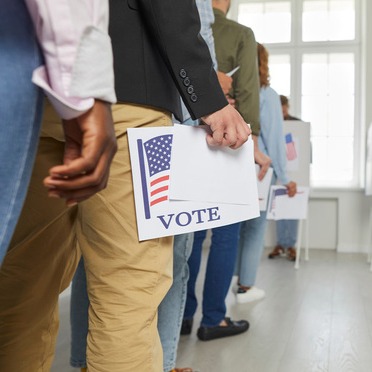
Voters expect the issue to play a major role in their decision to participate in November's midterm elections, as well as which candidates they will support. Although majorities across partisan groups say health care costs will affect their vote, the issue is resonating more with Democratic and independent voters. Two-thirds of Democrats and more than 4 in 10 independents say health care costs will have a "major impact" on their 2026 voting decisions.
The Democratic Party has the advantage when it comes to which party voters trust to handle most health care issues, including cost, with a 13-point advantage over the Republican Party. The one exception is prescription drug prices, an issue that President Trump has focused on in his second term and on which similar shares of voters say they trust the Democratic Party (35%) and the Republican Party (30%). Although independent voters give Democrats the edge, many also say they don't trust either party.
The public's anxiety over health care costs comes at a time when the Senate and administration seem unlikely to revive ACA enhanced premium tax credits, which expired on January 1. Two-thirds say Congress did the "wrong thing" by not extending the credits, including large majorities of Democrats (89%) and independents (72%). However, a majority of Republicans (63%) including MAGA supporters (64%) say Congress did the "right thing" by not extending the tax credits. Although the overall popularity of the ACA and the Marketplaces is still high, because of the recent enhanced tax credit debate, favorability has declined among Republicans.
Both parties score low marks for overall affordability policy. Most voters say they have "not too much" confidence or "none" in Republicans in Congress (64%), Democrats in Congress (63%) and Trump (61%) to address the cost of living for people like them. Overall, similar shares of voters say they have "a lot" or "some" confidence in Trump (38%), Democrats in Congress (37%) or Republicans in Congress (36%) to address the cost of living.
© Arc, All Rights Reserved. Request academic re-use from www.copyright.com. All other uses, submit a request to TMSalesOperations@arc-network.com. For more information visit Asset & Logo Licensing.