 Credit: Adobe Stock
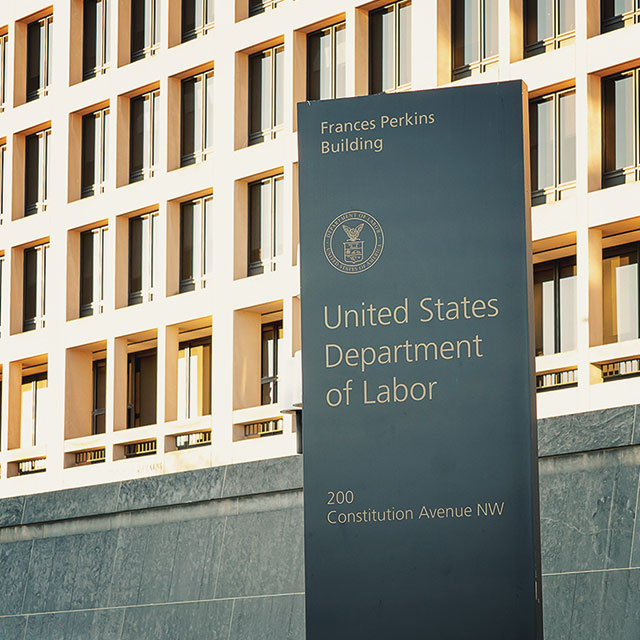
Late last week, the U.S. Department of Labor (DOL) filed an amicus brief urging the Third Circuit to uphold a lower court's dismissal in Barragan v. Honeywell Int'l Inc., where plaintiffs alleged the employer breached its fiduciary duties by failing to use forfeited funds to cover plan expenses. The filing echoes the DOL's position in an earlier amicus brief this year that clarified the legal framework for pension risk transfers in the ongoing Konya v. Lockheed Martin litigation.
In its amicus brief, the DOL contends the district court ruled correctly, concluding that the plan sponsor did not breach its fiduciary duties of prudence and loyalty. The agency argues the plaintiff offered only a bare allegation that forfeitures were not used to pay plan expenses, despite the plan granting fiduciaries discretion over that decision. The brief further explains that a prudent and loyal fiduciary could reasonably determine that ensuring participants receive the contributions expressly promised under the plan, in a timely manner, should take priority.
"ERISA's core principle is to protect the benefits promised to plan participants," said Assistant Secretary for Employee Benefits Security Daniel Aronowitz. "In Barragan, the district court correctly held that the mere allegation that a fiduciary used forfeitures for something other than fees cannot support a claim for fiduciary breach."
The decision reinforces the DOL's position that fiduciaries should be afforded discretion, provided their actions are prudent and loyal, rather than being bound by rigid, court-imposed outcomes. The brief also confirms that there is no per se rule barring plan fiduciaries from deciding to allocate forfeited employer contributions to reduce future employer contributions rather than using those funds to offset administrative costs.
"This filing is part of an ongoing effort by the Department to stop regulation by opportunistic litigation," stated U.S. Department of Labor Solicitor Jonathan Berry. "The Department previously advanced the same legal analysis in Wright v. JPMorgan Chase & Co. and Hutchins v. HP Inc., cases involving materially similar fact patterns in which the district courts likewise dismissed the claims. Together these cases reflect a consistent application of ERISA principles governing fiduciary discretion."
© Arc, All Rights Reserved. Request academic re-use from www.copyright.com. All other uses, submit a request to TMSalesOperations@arc-network.com. For more information visit Asset & Logo Licensing.