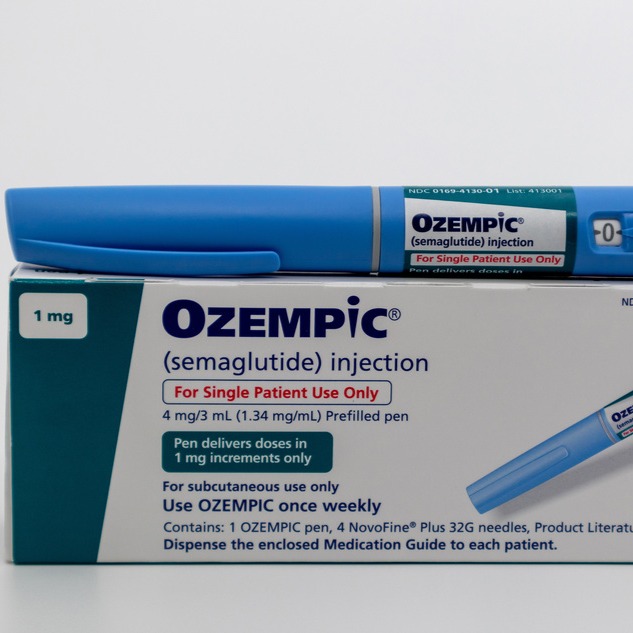
Uninsured Americans who pay out of pocket for Ozempic for weight loss will feel slimmer in their wallet as well as their waistline. Households that earn the median annual income would need to spend an average of 7.3% of their earnings to pay for 2 mg of Ozempic, research by ValuePenguin found.
"GLP-1 drugs have proven so popular (and so expensive) that health insurance companies have specifically cited these drugs as a reason for the higher health insurance rates we're experiencing in 2026," the company's Talon Abernathy said. "That means everyone will pay more for health insurance every month to cover the cost of these new weight-loss medications."
Among the takeaway messages from the research:
- Even at the lower $349 monthly price for 0.25 mg, 0.5 mg or 1 mg, Ozempic still would take up 5.1% of household income.
- Ozempic could consume one-tenth of household income in the lowest-income states. Mississippi (10.1%) leads, followed by West Virginia and Louisiana (both at 9.8%). Conversely, households in the higher-income states of Massachusetts and New Jersey, along with the District of Columbia, spend 5.7% or less.
- Ozempic and similar GLP-1 drugs are widely known, with 58% of Americans at least somewhat familiar with them. Nearly 4 in 10 adults currently are using, have used or are considering using these medications. Among those familiar with them, half believe only wealthy people can afford Ozempic or similar drugs for weight loss, while 21% disagree and 28% are neutral.
- Among current users, 60% pay $100 or more out of pocket each month for GLP-1 medications. Fifty-eight percent of users who pay out of pocket say they have delayed taking the drug, skipped doses or stopped using their medication because they couldn't afford it.
- Insurance coverage could be a gamechanger. Fifty-five percent of consumers who know about GLP-1s, including two-thirds of millennials, say they would be likely to use Ozempic for weight loss if it were fully covered by insurance.
For those who qualify, 90% of health plans cover GLP-1 drugs for Type 2 diabetes, while just more than 30% cover these drugs for obesity, according to a Pharmaceutical Strategies Group study.
"We've already seen a strong reaction from insurance companies, especially when it comes to the health insurance you get through your employer," Abernathy said. "Companies know these drugs are popular, and offering coverage for them can help attract and retain employees. At present, insurance companies are trying to thread the needle of offering access to these drugs while maintaining profitability."
He also believes the rise of generic GLP-1 drugs, along with efforts by the current administration to bring down drug prices across the board, likely will help lower prices in the near future. Beginning in 2027, eligible Medicare and Medicaid members are expected to pay no more than $245 a month for popular GLP-1 drugs, such as Ozempic, Wegovy, Mounjaro and Zepbound.
© Arc, All Rights Reserved. Request academic re-use from www.copyright.com. All other uses, submit a request to TMSalesOperations@arc-network.com. For more information visit Asset & Logo Licensing.