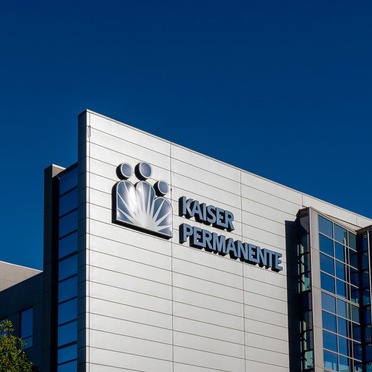
What began last month with approximately 31,000 registered nurses and other health care professionals striking at more than two dozen Kaiser Permanente hospitals and clinics in California and Hawaii has expanded to include an estimated 3,000 to 4,000 pharmacy employees and lab technicians.
The latest walkout, which began on Feb. 9, involves members of the United Food and Commercial Workers union and expands the work stoppage at Kaiser Permanente in California. On Jan. 26, members of the United Nurses Associations of California/Union of Health Care Professionals went on strike. At issue are what both unions call unfair labor practices — including staffing levels, workload standards, and fair wages.
According to PasadenaNow.com, which covers the city where Kaiser Permanente's Southern California regional headquarters are located:
In December, UFCW and other unions in the Alliance of Health Care Unions filed charges with the National Labor Relations Board alleging Kaiser unlawfully refused to bargain and attempted to bypass the agreed-upon national bargaining process, according to union officials. The UFCW said negotiations had been underway since April 2025. The UFCW said the contract covering pharmacy employees across Southern California expired on November 1, 2025, and the contract covering clinical lab scientist and medical lab technician employees expired on Feb. 1, 2026.
UNAC/UHCP said its contract with Kaiser expired on Sept. 30, 2025, and that the union conducted a five-day strike in October before the current open-ended walkout. The union said national bargaining had been underway since May 2025 and stalled in December when Kaiser paused negotiations. UNAC/UHCP has said it filed an unfair labor practice charge with the NLRB on Dec. 17, 2025, alleging Kaiser attempted to bypass the national bargaining process.
In a statement issued one day prior to the Jan. 26 walkout, Kaiser Permanente claimed it "has been bargaining with UNAC/UHCP and the Alliance of Health Care Unions for more than [seven] months, the longest negotiations in national bargaining history, to reach agreement on a new set of national and local contracts. These negotiations come at a time when health care costs are rising, and millions of Americans are at risk of losing access to health coverage. This underscores our responsibility to deliver fair, competitive pay for employees while protecting access and affordability for our members. We're doing both. Our Alliance employees already earn, on average, about 16% more than similar roles at other health care organizations, and in some markets, they earn 24% more. Our current proposal builds on that, keeping Kaiser Permanente among the best-paying employers in health care."
According to PasadenaNow.com, Kaiser hospitals, emergency departments and medical offices remain open; some pharmacies and labs will now be closed, though, following the UFCW walkout.
© Arc, All Rights Reserved. Request academic re-use from www.copyright.com. All other uses, submit a request to TMSalesOperations@arc-network.com. For more information visit Asset & Logo Licensing.