There seems to be a large trust divide between benefits advisors and HR when it comes to adopting innovative health care strategies. But how do advisors and employers get on the same page when it comes to health care benefits?
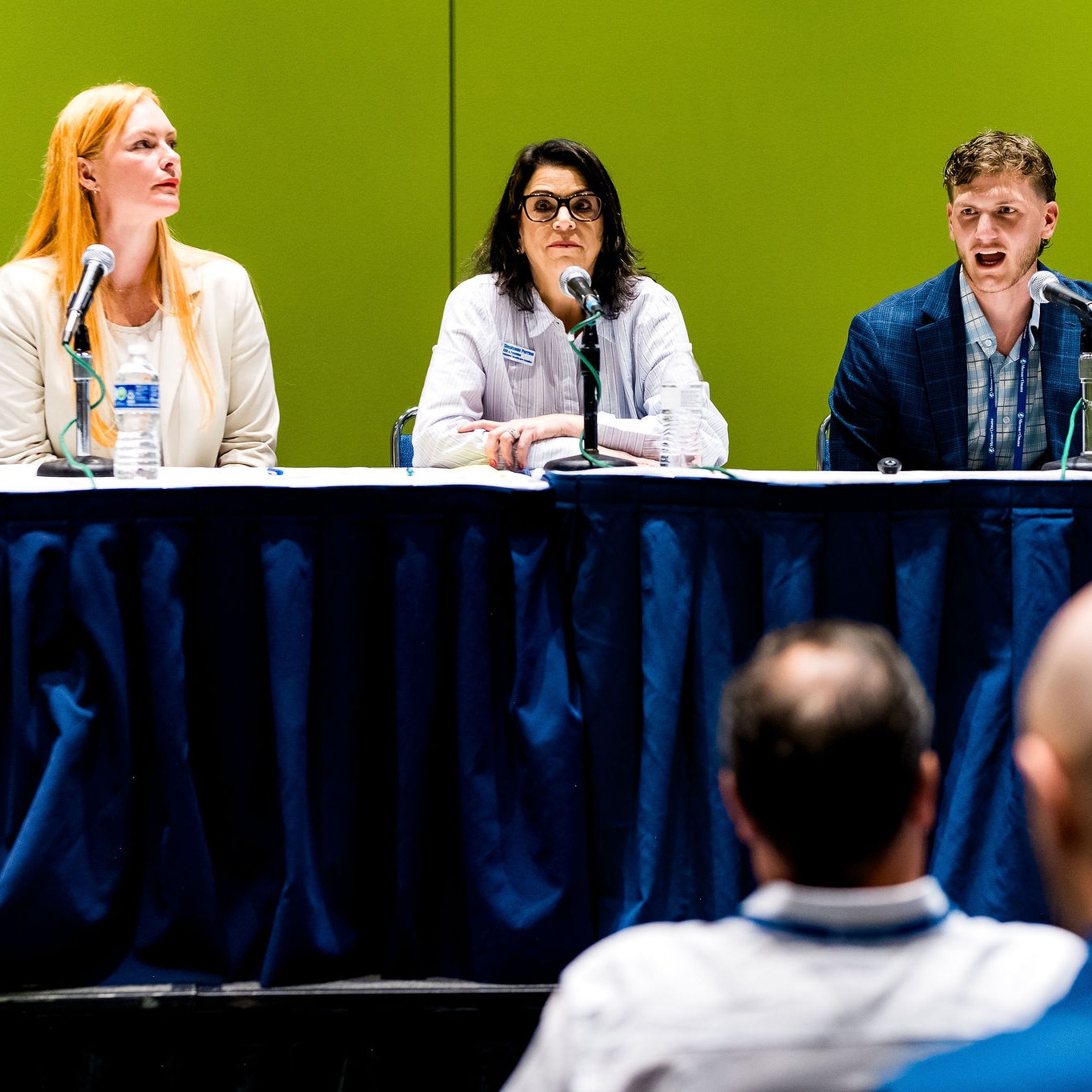
In a panel discussion at the BenefitsPRO Broker Expo, Stephanie Porrino, Emma Fox and Devin Donaldson discuss moving away from transactional brokering and toward strategic advising through better alignment between HR and the C-suite.
To start off the session, the panelists discuss the biggest misconceptions that HR and advisors might have about each other.
Devin Donaldson, an employee benefits consultant for USI Insurance Services, says that a misconception HR has about benefits advisors is that all advisors are the exact same. He says that it makes sense for HR to have this misconception because they are still dealing with the same thing even though they go through multiple brokers
"It's just going to take them [HR] interacting with someone with a more strategic approach to know what else is out there," Donaldson says.
A common advisor mistake is bypassing HR to sell directly to the CFO. Emma Fox, founder of FoxWatch, explains that while the CFO controls the budget, HR manages the complaints and employee impact. "If HR is not involved upfront, you are creating a lot of fear and mistrust," she says.
A lot of HR leaders feel like advisors are selling a product rather than advising.
"We are taught that we are selling a product but what changes the conversation is putting yourself in a team environment with HR and your clients, working with them rather than working against each other," says Fox.
Donaldson adds that brokers can be "quick to recommend and slow to ask questions and understand."
Barriers to a successful relationship
Both sides often avoid tough conversations when trust is losing ground or goals aren't being met.
"It is incumbent upon HR and c-suite in communicating what they all want to achieve," says Stephanie Porrino, founder and CEO of Empower Healthcare Insights. "There's a way that's mutually beneficial, where the CFO is looking for financial outcomes and HR is looking to protect the employees. There's somewhere in the middle where everything is achieved, but it has to be out in the open."
Characteristics of an aligned relationship
Successful partnerships move past surface-level data to look at actual plan claims, PBMs, and specific provider access.
"The biggest thing is the severity and weight of the decisions," says Donaldson.
Fox expresses that success must be defined together — whether that is the highest quality care or lowest cost— to move from being a "solution distributor" to a "thought partner."
Key takeaways
For Advisors: Do not skip HR. Lead with empathy and recognize the immense workload HR manages beyond the benefits renewal.
For HR: Do not assume change is impossible. Be willing to do the hard things and look for alternative strategies that offer more than the standard 18% annual increase.
Success requires a tolerance check on how much disruption a company can handle to achieve long-term fiscal and employee health.
© Arc, All Rights Reserved. Request academic re-use from www.copyright.com. All other uses, submit a request to TMSalesOperations@arc-network.com. For more information visit Asset & Logo Licensing.