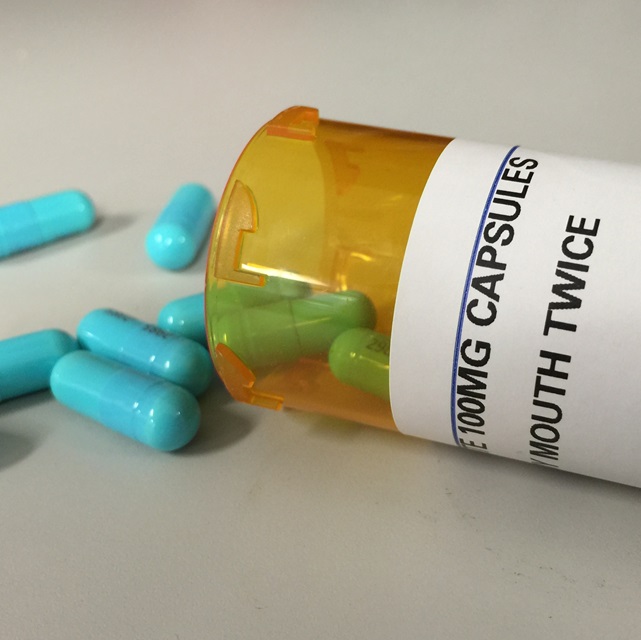
Despite rising slightly in the fourth quarter, the number of prescription drug shortages last year still was significantly lower than the record levels of early 2024. In addition, the number of new shortages reported in 2025 was the lowest in nearly two decades, according to the latest report from the American Society of Health-System Pharmacists.
A number of factors can contribute to drug shortages, including supply chain disruptions, a limited number of manufacturers, regulatory burdens, small profit margins, natural disasters and unforeseen surges in demand for certain drugs. These are the key takeaways from the report:
- The number of active drug shortages is 216, up slightly from the previous quarter's 214 but significantly lower than the all-time high of 323 in the first quarter of 2024.
- The number of new shortages identified during 2025 was 89, the lowest number since 2006.
- Fifteen percent of active drug shortages are controlled substances. Patients with chronic pain or ADHD may struggle to fill monthly prescriptions, and health systems may find it difficult to obtain sufficient supplies needed for surgeries and procedures.
- The current influenza season has resulted in increased demand for oseltamivir, which may affect availability at pharmacies.
- Longstanding shortages are beginning to resolve. Three-quarters of all active shortages started in 2022 or later.
- Lower numbers of shortages do not necessarily translate into fewer patients affected, because a single shortage can affect large numbers of patients. The workload required to manage shortages, including changing pharmacy automation and electronic health records, adds to the challenges of pharmacy staff shortages.
Nearly 9 in 10 U.S. clinicians have made changes in their practices because of drug shortages, according to research published in JAMA Network Open. Ninety-two percent of this group said they changed the medication of choice, while 63% said they postponed prescribing medications.
Survey participants reported that drug shortages affected an average of 20% of their patients. Endocrinology drugs had the highest rate of severe outcomes associated with shortages at 54%, followed by stimulants (52%) and drugs for infectious diseases (26%), pulmonology (17%) and pain management (14%). Pediatricians reported the greatest impact from shortages associated with infectious disease, pulmonology and stimulant medications.
Federal agencies are seeking ways to limit future drug shortages. The U.S. Food and Drug Administration announced last week that it soon will begin accepting applications for the PreCheck Pilot Program, which is designed to increase the domestic supply chain.
© Arc, All Rights Reserved. Request academic re-use from www.copyright.com. All other uses, submit a request to TMSalesOperations@arc-network.com. For more information visit Asset & Logo Licensing.